Introduction
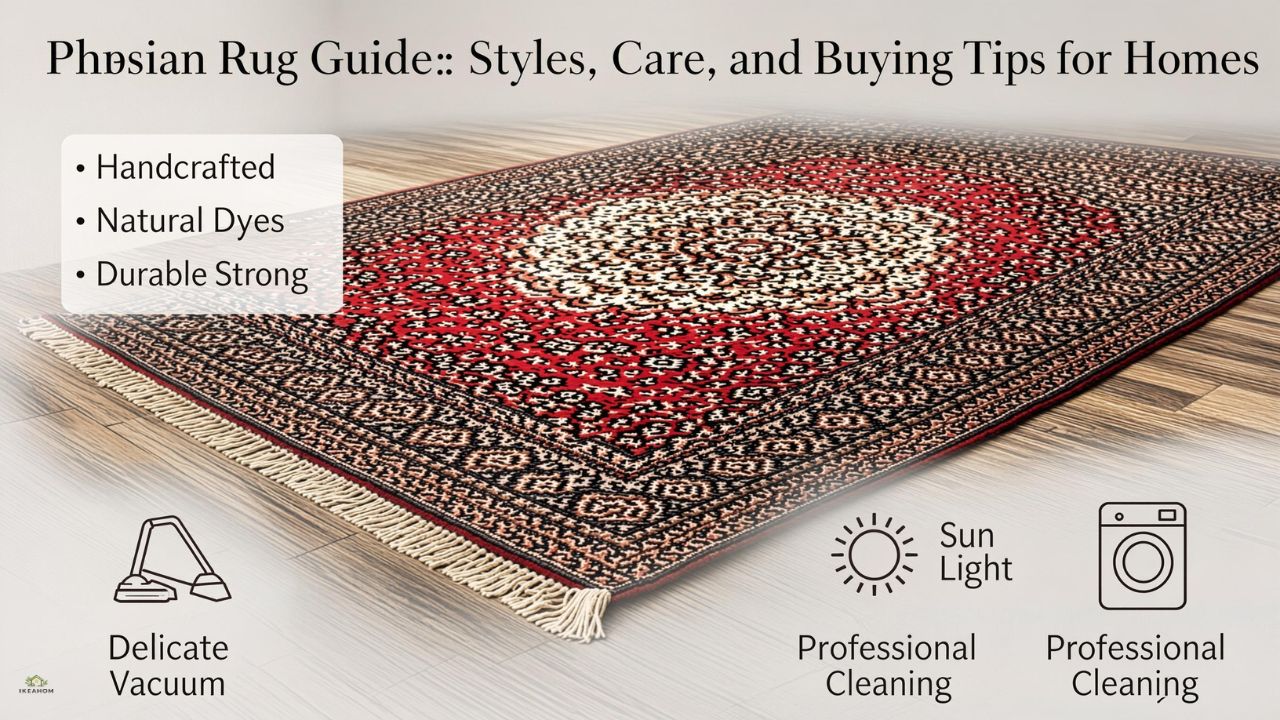
A beautifully crafted persian rug can completely transform the feeling of a home. The colors, patterns, and handmade details tell stories that stretch back through centuries of craftsmanship, culture, and artistry. Whether placed in a modern apartment or a classic family home, these timeless floor coverings instantly create warmth and character.
For many homeowners, choosing the right persian rug is about more than decoration. It is about investing in quality, preserving tradition, and adding personality to everyday living spaces. Unlike mass-produced floor coverings, authentic Persian carpets often become treasured family pieces that age gracefully over time.
Interior designers frequently rely on Persian carpets because they work beautifully with almost every design style. From minimalist interiors to richly layered traditional spaces, their detailed motifs and natural textures create balance and visual depth. Understanding the history, materials, and craftsmanship behind these rugs helps buyers make smarter choices and appreciate their long-term value.
After years of remaining symbols of luxury and heritage, Persian carpets continue to dominate high-end interior design trends. Today, collectors and homeowners alike value them for their artistry, durability, and ability to create unforgettable spaces.
The Rich History Behind Persian Carpets
Persian carpets are deeply connected to the cultural identity of Iran, formerly known as Persia. Historians trace rug weaving in the region back more than 2,500 years, making it one of the oldest artistic traditions in the world. These rugs were originally crafted for warmth and comfort, but they quickly evolved into symbols of social status and artistic achievement.
Royal courts across Persia commissioned master weavers to create extraordinary carpets using silk, wool, and intricate natural dyes. Over time, each city and region developed its own unique weaving style, motifs, and knotting techniques. Cities such as Tabriz, Isfahan, Kashan, and Qom remain internationally respected for their weaving excellence.
The artistry of Persian carpets became globally admired through trade routes that connected Persia to Europe and Asia. Wealthy families and collectors prized these carpets not only for their beauty but also for their exceptional durability.
Traditional Motifs and Their Meanings
Many Persian carpets contain symbolic designs inspired by nature, spirituality, and daily life. Common motifs include:
- Floral medallions representing harmony and growth
- Vine patterns symbolizing eternal life
- Geometric shapes reflecting balance and order
- Garden-inspired layouts associated with paradise
- Animal motifs connected to strength and protection
These designs often carry deep cultural significance passed down through generations of weavers.
Why Handmade Rugs Remain Valuable
Handmade Persian carpets require extraordinary skill and patience. Some highly detailed rugs take several months or even years to complete. The knot density, material quality, and precision of the patterns directly influence value.
Collectors appreciate handmade rugs because no two pieces are completely identical. Small imperfections are considered part of their authenticity and artistic charm.
Why a persian rug Instantly Elevates Interior Design
Interior designers often describe Persian carpets as the foundation of a room because they influence color balance, furniture placement, and overall atmosphere. Their layered patterns create visual interest without overwhelming the space.
A carefully selected persian rug can soften modern interiors filled with metal, glass, or concrete. In traditional homes, it adds richness and continuity that ties furniture and décor together naturally.
Works With Multiple Design Styles
One reason Persian carpets remain so popular is their versatility. They complement a wide range of aesthetics, including:
- Modern minimalist interiors
- Rustic farmhouse homes
- Scandinavian-inspired spaces
- Bohemian décor
- Industrial lofts
- Traditional luxury interiors
Even contemporary spaces benefit from the contrast between clean architectural lines and the organic artistry of handmade rugs.
Adds Warmth and Texture
Hardwood floors, tile, and stone surfaces can sometimes feel cold or sterile. Persian carpets introduce softness, comfort, and texture that make rooms feel more welcoming.
The layered patterns also help hide everyday wear, making them practical for busy homes with children or pets.
Creates a Strong Focal Point
A high-quality Persian carpet naturally draws attention. Designers frequently use them to anchor seating areas, define open floor plans, or add visual drama beneath dining tables.
Instead of relying on excessive decorative accessories, one beautiful rug can become the centerpiece of an entire room.
Materials Used in Authentic Persian Carpets
The materials used in Persian carpets greatly influence their appearance, durability, and texture. Authentic rugs are typically made using natural fibers chosen for strength and beauty.
Wool
Wool is the most common material found in traditional Persian carpets. High-quality wool offers:
- Excellent durability
- Natural stain resistance
- Soft texture underfoot
- Rich color absorption
- Long lifespan
Premium wool rugs often become softer and more beautiful with age.
Silk
Silk carpets are prized for their luxurious sheen and intricate detail. Silk fibers allow weavers to create extremely fine patterns with remarkable clarity.
However, silk rugs are generally more delicate and better suited for low-traffic spaces such as formal living rooms or bedrooms.
Cotton Foundations
Many Persian carpets use cotton for the rug foundation because it provides structural stability. Cotton foundations help maintain shape and support dense knotting.
Natural Dyes
Traditional Persian carpets rely on plant-based and mineral dyes extracted from:
- Indigo
- Pomegranate skins
- Madder root
- Walnut husks
- Saffron
These natural dyes create rich tones that age beautifully over time instead of fading harshly.
How to Choose a persian rug for Your Space
Selecting the right carpet involves more than simply choosing a beautiful pattern. Buyers should consider room size, color palette, lifestyle, and rug quality before making a purchase.
A thoughtfully chosen persian rug should feel balanced within the room while complementing existing furniture and décor.
Measure the Room Carefully
Room proportions matter greatly when selecting rug size. A rug that is too small can make furniture arrangements appear disconnected.
General sizing guidelines include:
- Living rooms: Front legs of furniture should sit on the rug
- Dining rooms: Rug should extend beyond chair edges
- Bedrooms: Rug should frame the bed evenly
- Hallways: Leave visible flooring borders
Understand Knot Density
Knot density refers to the number of knots woven into each square inch of the rug. Higher knot counts generally indicate finer detail and craftsmanship.
However, durability and beauty are equally important. Some tribal rugs with lower knot counts remain extremely valuable due to their artistic character.
Match Colors Thoughtfully
Persian carpets often feature deep reds, blues, ivory tones, and earth-inspired shades. When choosing colors:
- Match dominant tones with furniture accents
- Use contrasting colors for visual drama
- Consider lighting conditions throughout the day
- Avoid overpowering small rooms with extremely dark rugs
Decide Between Antique and New Rugs
Antique Persian carpets possess unique charm and historical significance. Their aged patina often appeals to collectors and luxury homeowners.
New Persian-style rugs may provide greater affordability while still offering impressive craftsmanship and beauty.
Regional Styles Every Buyer Should Know
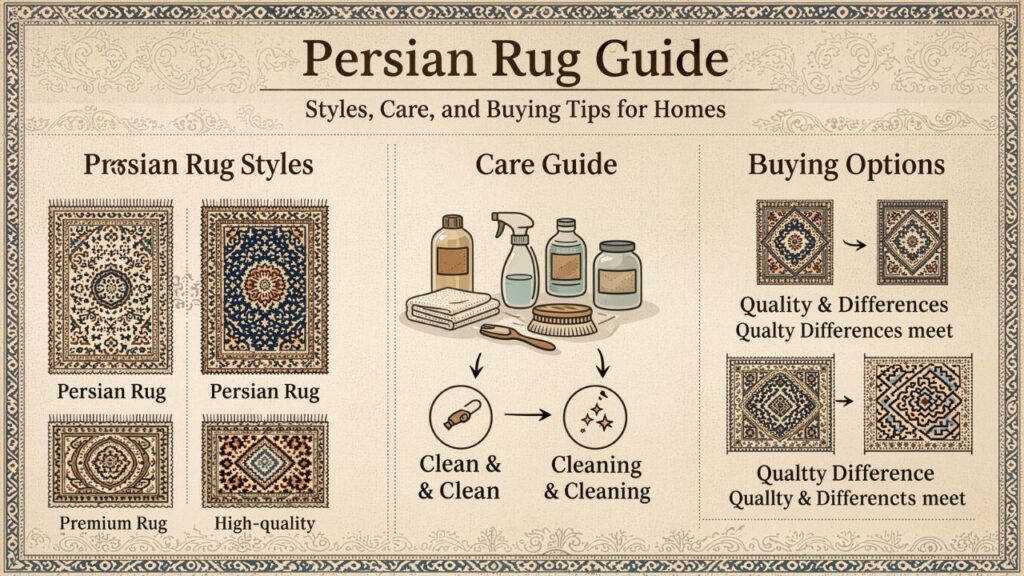
Different regions of Persia developed distinctive weaving identities. Understanding these styles helps buyers recognize quality and aesthetic differences.
Tabriz Rugs
Tabriz carpets are famous for their intricate floral designs, medallions, and exceptional craftsmanship. They often feature silk highlights and highly detailed weaving.
Isfahan Rugs
Isfahan carpets are considered among the most elegant Persian carpets ever created. Their balanced symmetry and sophisticated color palettes make them highly collectible.
Kashan Rugs
Kashan rugs typically showcase central medallions surrounded by elaborate floral motifs. Rich reds and navy blues are common in these designs.
Qom Rugs
Qom carpets frequently use silk and display extraordinary detail. These luxurious pieces are admired for their delicate artistry.
Heriz Rugs
Heriz carpets are known for bold geometric patterns and exceptional durability. Their sturdy construction makes them ideal for high-traffic homes.
Caring for a persian rug Properly
Proper maintenance helps preserve the beauty and lifespan of handmade carpets for generations. With consistent care, a well-made rug can remain beautiful for decades.
A carefully maintained persian rug often becomes even more valuable over time.
Vacuum Gently
Regular vacuuming removes dirt and debris that can damage fibers. Avoid using aggressive rotating brushes on delicate handmade rugs.
Vacuum both sides periodically to prevent dust buildup within the foundation.
Rotate the Rug
Rotating the carpet every six months helps distribute wear evenly, especially in high-traffic areas exposed to sunlight.
Protect From Direct Sunlight
Excessive sunlight may gradually fade natural dyes. Window treatments and strategic furniture placement can help minimize UV exposure.
Handle Spills Quickly
When accidents occur:
- Blot the spill immediately
- Avoid rubbing aggressively
- Use mild soap with water if needed
- Dry thoroughly
- Seek professional cleaning for stubborn stains
Schedule Professional Cleaning
Professional rug cleaning every few years helps preserve fibers and maintain color vibrancy without causing damage.
Common Mistakes Buyers Should Avoid
Even experienced homeowners occasionally make costly rug-buying mistakes. Understanding these pitfalls helps buyers make confident decisions.
Choosing Style Over Quality
Some buyers focus only on appearance without evaluating craftsmanship, fiber quality, or knot density.
A visually attractive rug may not offer the durability needed for everyday use.
Ignoring Room Scale
Incorrect sizing can disrupt room balance. Oversized or undersized rugs often make interiors feel awkward.
Falling for Fake Handmade Claims
Not every rug marketed as handmade is authentic. Buyers should examine:
- Knot consistency
- Backside weaving detail
- Material quality
- Fringe integration
- Seller reputation
Neglecting Maintenance Needs
Luxury rugs require proper care. Ignoring maintenance may reduce lifespan and diminish beauty.
Persian Carpets as Long-Term Investments
Many collectors consider high-quality Persian carpets to be functional art pieces. Rare antique rugs sometimes appreciate significantly in value over time.
Factors influencing investment value include:
- Age
- Condition
- Knot density
- Material quality
- Regional origin
- Historical significance
- Design rarity
Collectors frequently seek carpets with strong provenance and exceptional craftsmanship.
Unlike rapidly changing furniture trends, Persian carpets retain enduring appeal across generations.
Modern Decorating Ideas Using Persian Carpets
Contemporary interior design increasingly embraces the contrast between traditional rugs and modern furnishings.
Layer Rugs Creatively
Layering Persian carpets over neutral jute or wool rugs creates texture and visual dimension.
Pair With Minimalist Furniture
Simple furniture allows detailed carpet patterns to stand out beautifully.
Use Rugs as Wall Art
Some homeowners display antique carpets on walls to protect delicate fibers while showcasing their artistry.
Add Warmth to Neutral Rooms
Neutral interiors instantly gain personality when paired with richly colored Persian carpets.
FAQs
What makes a persian rug different from other rugs?
A persian rug is traditionally handmade in Iran using intricate knotting techniques, natural materials, and region-specific artistic patterns that distinguish it from mass-produced rugs.
How long can Persian carpets last?
High-quality handmade carpets can last for generations when properly maintained. Some antique rugs remain beautiful after more than 100 years.
Are Persian carpets suitable for modern homes?
Yes. Persian carpets work exceptionally well in modern interiors because they add texture, warmth, and artistic contrast.
How can I tell if a rug is handmade?
Examine the back of the rug carefully. Handmade carpets usually show slight irregularities in knotting and pattern details.
Do Persian carpets require professional cleaning?
Professional cleaning is recommended every few years to preserve fibers, remove embedded dirt, and maintain color vibrancy.
Are silk rugs more valuable than wool rugs?
Silk rugs are often more expensive because of their fine detail and luxurious appearance, but premium wool rugs also hold significant value.
What colors are most common in Persian carpets?
Traditional Persian carpets frequently feature deep red, navy blue, ivory, gold, and earthy tones created with natural dyes.
Can Persian carpets increase in value over time?
Rare antique carpets and exceptionally crafted pieces may appreciate in value, especially when maintained in excellent condition.
Conclusion
The enduring beauty of the persian rug lies in its ability to combine artistry, history, comfort, and craftsmanship in one remarkable piece. Whether used to anchor a modern living room, elevate a traditional dining area, or become a treasured family heirloom, Persian carpets continue to capture attention across generations.
Choosing the right carpet involves understanding materials, craftsmanship, regional styles, and proper care techniques. With thoughtful selection and maintenance, these extraordinary handmade creations can provide warmth, elegance, and timeless value for decades to come.