
Introduction
A fireplace mantel has a funny way of stealing attention, even when it is empty. If you have ever wondered how to style a mantel without making it look stiff, cluttered, or copied from a showroom, you are not alone.
The mantel is usually one of the most visible surfaces in a living room, dining room, bedroom, or entry space. It frames the fireplace, sets the mood for the room, and gives you a natural place to show personality through art, greenery, candles, books, family pieces, and seasonal touches.
The best mantels feel effortless, but they are rarely accidental. They work because the objects relate to one another in height, shape, color, scale, and meaning. A vase looks better when it echoes a color in the artwork. Candlesticks feel more intentional when their height balances a tall frame. A small keepsake feels special when it has breathing room instead of disappearing in a crowd of accessories.
This guide walks you through the process in a practical, friendly way, whether your home leans modern, traditional, farmhouse, coastal, vintage, minimalist, or somewhere in between. You will learn how to build a mantel that feels beautiful, livable, and genuinely yours.
What Makes a Mantel Look Finished?
A finished mantel has a focal point, a visual rhythm, and a reason for every piece. That does not mean every object must match or follow a strict formula. It simply means the arrangement feels deliberate from across the room and still interesting up close.
In decorating, a mantel works like a small stage. The wall above it is the backdrop, the fireplace is the grounding element, and the objects on the shelf are the cast. When the pieces compete for attention, the scene feels noisy. When they support one another, the whole room feels calmer.
Definition: Visual Weight
Visual weight is the amount of attention an object appears to carry. A black vase, a chunky wood frame, a wide mirror, or a bright floral arrangement can feel heavier than a pale, narrow, or transparent piece, even if the actual weight is light.
Understanding visual weight helps you avoid the most common mistake: putting one strong item on one side and several tiny pieces on the other. Balance does not always require identical pairs, but each side should feel like it belongs to the same conversation.
Definition: Negative Space
Negative space is the empty area around your objects. On a mantel, it is just as important as the decor itself. Empty space lets the eye rest, makes meaningful pieces stand out, and keeps the shelf from becoming a storage ledge.
When a mantel feels almost right but somehow too busy, the solution is often not to buy more. It is to remove one or two items, adjust the spacing, and let the strongest pieces breathe.
How to Style a Mantel With the Right Foundation
Before adding accessories, look at the room as a whole. The mantel should connect with nearby furniture, wall color, rugs, curtains, lighting, and architectural details. A mantel that looks great in a close-up photo can still feel wrong if it ignores the room around it.
Start by clearing the mantel completely. Wipe it down, step back, and notice its length, depth, height, and finish. A narrow mantel needs slimmer objects. A deep rustic beam can handle chunkier ceramics, stacked books, and larger greenery. A sleek stone mantel may look best with fewer, stronger pieces.
Choose One Anchor Piece
The anchor is the main piece that gives the mantel structure. Common anchor choices include a large mirror, framed art, a vintage window, a sculptural wall hanging, a wreath, or a pair of sconces around a central piece.
For most homes, the anchor should be wide enough to feel connected to the fireplace but not so large that it overwhelms the wall. A helpful guideline is to choose something around two-thirds the width of the mantel, then adjust based on ceiling height and the visual weight of the frame or object.
Hang It or Lean It
Hanging an anchor piece creates a polished, permanent look. Leaning art or a mirror feels more relaxed and collected. Both can work beautifully, so choose the approach that matches the mood of the room.
If you lean a mirror or frame, make sure it is secure and does not sit too close to heat. In busy homes with children, pets, or frequent movement around the fireplace, hanging heavy pieces is usually the safer and cleaner option.
Use a Simple Color Story
A color story keeps different objects from feeling random. Pull two or three colors from the room, such as warm wood, creamy white, soft black, brass, green, terracotta, or muted blue. Repeat those tones in small ways across the mantel.
This does not mean everything needs to match. In fact, a mix of finishes often looks more natural. The goal is harmony. A brass candleholder can speak to a gold frame, a clay vase can echo a rust pillow, and a black frame can connect with a nearby lamp or coffee table.
How to Style a Mantel Using Height, Layers, and Texture
Once the foundation is in place, the real personality begins. Learning how to style a mantel is mostly learning how to combine height, layers, and texture so the display has movement without chaos.
Think of the arrangement as a skyline. If every object is the same height, the mantel feels flat. If everything is tall, the eye has nowhere to land. A strong mix of tall, medium, and low pieces creates a more natural rhythm.
Build a Triangle of Heights
A triangle of heights is an easy way to create balance. Place your tallest object near the center or slightly off-center, add a medium-height object on one side, then include a lower piece on the other. The eye naturally moves between the points.
Good height-builders include tapered candlesticks, branches, a tall vase, framed art, stacked books, sculptural objects, lanterns, and seasonal stems. Even a small plant can add lift when placed on a stack of books or a low riser.
Layer From Back to Front
Layering means placing some objects slightly behind others so the mantel has depth. You might lean a framed print against a mirror, set a small painting in front of a larger one, or tuck a narrow vase in front of an art piece.
The trick is to keep the layers readable. If every object overlaps heavily, the mantel starts to look messy. Let each piece show enough shape, color, and texture to feel intentional.
Mix Textures Instead of Adding Clutter
Texture makes a mantel feel rich without requiring lots of objects. A smooth ceramic vase, rough wood beads, linen-bound books, aged brass candlesticks, leafy stems, and a stone bowl can create depth even in a quiet color palette.
If your mantel looks dull, do not immediately add more color. Try adding texture first. A woven basket on the hearth, a matte vase, or a piece of weathered wood may solve the problem more gracefully than another bright accessory.
Mantel Decor Ideas for Different Home Styles
The beauty of mantel decorating is that the same basic principles can fit many interiors. The objects change, but the need for balance, scale, texture, and personality stays the same.
Use the ideas below as starting points, not strict rules. Your mantel should look connected to your home, not like it was lifted from someone else’s living room.
Modern Mantel
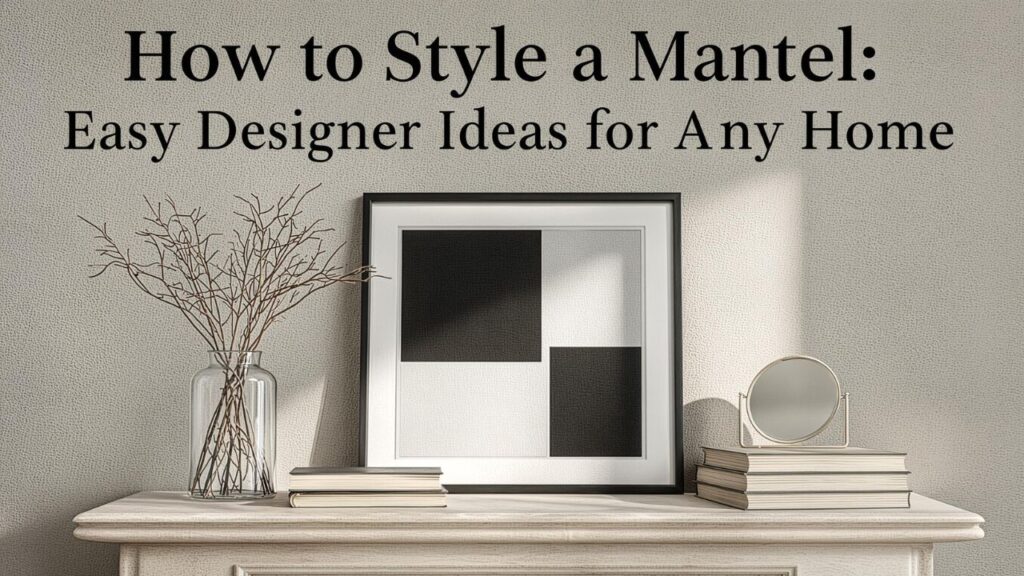
A modern mantel usually benefits from restraint. Choose one large abstract artwork, a simple mirror, or a sculptural object, then add only one or two supporting pieces. Clean lines, negative space, and strong shapes matter more than quantity.
- Try a black metal frame with a single ceramic vessel.
- Use asymmetry for a gallery-like look.
- Choose fewer pieces with stronger silhouettes.
- Repeat one finish, such as matte black or brushed brass.
Traditional Mantel
A traditional mantel often welcomes symmetry, classic artwork, layered frames, taper candles, antique books, and meaningful collections. The look can be formal or relaxed depending on the materials and spacing.
- Use matching candlesticks or lamps at each end.
- Center a mirror, landscape painting, or portrait.
- Add porcelain, brass, carved wood, or heirloom pieces.
- Keep the palette connected to upholstery and drapery.
Farmhouse or Cottage Mantel
A farmhouse or cottage mantel feels warm when it includes natural materials, vintage finds, greenery, baskets, and soft contrast. The goal is charm, not perfection.
- Lean a weathered wood frame or simple mirror.
- Add ceramic pitchers, crockery, or old books.
- Use eucalyptus, olive branches, or seasonal stems.
- Mix creamy whites, warm wood, muted greens, and black accents.
Minimalist Mantel
Minimalist mantel styling is not empty; it is edited. Choose pieces with quiet impact and let space do some of the work. A single oversized branch in a sculptural vase can be enough.
- Limit the palette to two or three tones.
- Choose one anchor and one supporting object.
- Use texture to keep the display from feeling cold.
- Avoid small filler items that do not add meaning.
Seasonal Mantel Styling Without Starting Over
Seasonal decorating is more enjoyable when you do not rebuild the entire mantel every few months. Keep a reliable base, then swap smaller pieces to reflect the time of year.
Your base might include a mirror, two candlesticks, a stack of books, and a favorite vase. From there, seasonal changes can be as simple as replacing stems, changing candle colors, adding a garland, or introducing one special object.
Spring and Summer
For warm-weather months, lighten the display with fresh greenery, branches, florals, pale ceramics, woven texture, glass, and breezy artwork. A relaxed mantel can make the whole room feel fresher.
Try branches in a tall vase, a small framed landscape, and a few books in soft neutral tones. If you use flowers, keep the arrangement loose so it feels gathered rather than overly formal.
Fall
Fall mantels can become crowded quickly, especially when pumpkins, garlands, leaves, candles, and signs all appear at once. Choose a mood first: earthy, moody, rustic, elegant, or playful.
A grown-up fall mantel might use dried grasses, amber glass, brass candlesticks, dark artwork, and one or two pumpkins in natural tones. The feeling is autumnal without being overly themed.
Winter and Holidays
Winter is when a fireplace mantel naturally becomes the emotional center of the room. Garlands, stockings, candles, bells, ribbon, and lights can be beautiful, but they need structure.
Start with greenery, then layer in lights or ribbon, then add taller accents at the ends or near the center. Leave enough space for stockings to hang cleanly and for the fireplace opening to remain safe and practical.
Common Mistakes When You Learn How to Style a Mantel
Even a beautiful collection of objects can look off when the arrangement is fighting the proportions of the room. The good news is that most mantel problems are easy to fix once you know what to look for.
Stand several feet away and take a quick photo of the mantel. A photo makes imbalance, clutter, awkward spacing, and scale problems much easier to spot than staring at the shelf in person.
Mistake: Everything Is Too Small
Tiny accessories lined up across a long mantel can feel scattered. Small pieces are not the problem; using only small pieces is. Add one larger anchor or combine smaller pieces into groups so they read as a stronger arrangement.
A large mirror, oversized art, tall branches, or a pair of substantial candlesticks can instantly make the mantel feel more confident.
Mistake: The Mantel Is Too Symmetrical
Symmetry can be elegant, but too much of it can feel stiff. If both sides are perfectly matched and the room feels formal in a way you do not love, loosen the arrangement.
Try keeping one pair, such as matching candlesticks, then vary the rest. Place a vase on one side, stacked books on the other, and a smaller object near the center to soften the mirror-image effect.
Mistake: There Is No Breathing Room
A crowded mantel makes every object less noticeable. Edit until the display has open space between pieces and a clear focal point.
One useful test is to remove the least important item. If the mantel immediately looks better, keep going. If it looks empty, add back only the piece that contributes the most shape, height, or meaning.
Mistake: The Decor Ignores the Hearth
The mantel and hearth should feel connected. If the shelf is beautifully styled but the hearth is bare, cluttered, or visually unrelated, the fireplace area can feel unfinished.
A basket of logs, a fireplace screen, a low stool, a floor vase, or a stack of books near the hearth can extend the composition downward and make the entire fireplace wall feel intentional.
How to Style a Mantel When There Is a TV Above It
A TV above the fireplace can be practical, but it changes the styling approach. The screen already has strong visual weight, so the mantel usually needs simpler, lower decor.
Avoid tall items that block the screen or compete with it. Instead, use a long low arrangement, such as a shallow bowl, short greenery, a slim garland, low candlesticks, or a few sculptural objects spread with breathing room.
Keep the Line Low
When the TV is the anchor, the mantel decor should support it rather than fight it. Low pieces create warmth without making the wall feel busy.
Choose objects that are interesting from the front but not too deep, especially if the mantel shelf is narrow. A slim vase, small stack of books, or pair of short candleholders often works better than bulky decor.
Soften the Screen
A black rectangle can look harsh in a soft room. You can soften it by repeating black elsewhere, adding warm wood, using greenery, or placing textured pieces nearby.
The goal is not to hide the TV completely. It is to make it feel like part of the room instead of an interruption.
Safety and Practical Details
A fireplace is beautiful, but it is also functional. Before placing candles, garlands, dried stems, wood objects, paper, or fabric near a working fireplace, think carefully about heat, sparks, and manufacturer guidelines.
If you use the fireplace regularly, keep combustible items away from open flames and hot surfaces. For gas, electric, and wood-burning fireplaces, follow the safety instructions for your specific model and avoid placing decor where heat can damage it.
Choose Stable Pieces
Mantels are narrow, and some surfaces are slick. Heavy frames, mirrors, tall vases, and candlesticks should be secure, especially in homes with children, pets, or frequent traffic.
Use museum putty for small objects when appropriate, secure leaning frames, and avoid unstable stacks. Beautiful styling should never make a room harder to live in.
Think About Cleaning
A mantel gathers dust, especially when it is layered with small objects. If you dislike frequent cleaning, choose fewer pieces, smoother surfaces, and arrangements that are easy to lift and reset.
Practicality is part of good design. A mantel you can maintain will look better for longer than an elaborate display that becomes frustrating after a week.
A Simple Formula for How to Style a Mantel
When you feel stuck, use a simple formula. It gives you a starting point without locking you into a rigid look.
- Clear the mantel and choose one anchor piece.
- Add one tall element for height.
- Place one medium piece on the opposite side for balance.
- Layer in one or two low objects, such as books or a bowl.
- Add texture with greenery, ceramic, wood, metal, or glass.
- Step back, take a photo, and remove anything that feels unnecessary.
This is also the easiest way to learn how to style a mantel with things you already own. Shop your house first: artwork from another room, a vase from the dining table, books from a shelf, a bowl from the kitchen, or branches from the garden may be exactly what the mantel needs.
Once the basic shape works, refine the details. Adjust the distance between objects, turn a vase slightly, remove a competing color, or lower a stack of books. Small changes can make the difference between almost right and beautifully finished.
FAQ
What is the easiest way to decorate a mantel?
The easiest way to learn how to style a mantel is to start with one anchor piece, add height on one side, balance it with a medium object on the other, then finish with one or two low pieces. This keeps the arrangement simple while still giving it depth.
How do I make a mantel look balanced without matching everything?
Use visual weight instead of identical pairs. A tall vase on one side can balance a stack of books and a framed photo on the other if both sides feel similar in strength.
Should a mirror over a mantel be centered?
A mirror is usually centered over the fireplace, especially in traditional rooms. In more relaxed or modern spaces, it can sit slightly off-center if the surrounding objects create balance.
How many items should be on a mantel?
There is no perfect number, but three to seven objects often work well for many mantels. Larger mantels can handle more, while narrow mantels usually look better with fewer pieces.
Can I decorate a mantel without a fireplace?
Yes. A decorative mantel shelf, faux fireplace, or architectural ledge can be styled the same way. Use an anchor, varied heights, layered textures, and meaningful objects to create a focal point.
How do I style a narrow mantel?
Use slim frames, narrow candlesticks, small vessels, and low-profile objects. Avoid bulky pieces that hang too far over the edge or make the shelf feel crowded.
What should I put above a mantel?
Popular choices include a mirror, artwork, framed textiles, a wreath, sculptural wall decor, or sconces. Choose something that fits the scale of the fireplace and the mood of the room.
How often should I change mantel decor?
Change it whenever the room starts to feel stale. Many people keep the main pieces in place year-round and refresh smaller details seasonally.
Conclusion
A beautiful mantel is not about owning the perfect objects. It is about noticing scale, creating balance, leaving space, and choosing pieces that make the room feel more like home. Once you understand how to style a mantel, the process becomes less intimidating and more creative. Start with a strong anchor, build gentle height, layer in texture, edit with confidence, and let the final arrangement reflect the way you actually live.