Introduction
Ever walk into a room and instantly feel calm, inspired, or completely at home? That feeling usually isn’t accidental—it comes from thoughtful design choices, and understanding interior decorating styles is the first step toward creating it.
The tricky part is that most people don’t know what to call the look they love. Maybe you like clean modern furniture, but also warm rustic wood. Maybe you save boho bedrooms on Pinterest, then fall for a traditional dining room the next day. Honestly, that’s normal.
Decorating styles are not strict rules. They are visual roadmaps. Once you understand the main styles, you can shop smarter, avoid mismatched rooms, and build a home that feels personal instead of copied.
The interior design market was estimated at about $137.9 billion globally in 2024, showing how much people now value beautiful, functional homes. More homeowners are also leaning into sustainable materials, biophilic design, natural textures, and flexible rooms that support real everyday living.

Table of Contents
What Are Interior Decorating Styles?
Why Interior Decorating Styles Matter
Modern Interior Decorating Style
Contemporary Interior Decorating Style
Minimalist Interior Decorating Style
Scandinavian Interior Decorating Style
Bohemian Interior Decorating Style
Farmhouse Interior Decorating Style
Traditional Interior Decorating Style
Mid-Century Modern Interior Decorating Style
Industrial Interior Decorating Style
Coastal Interior Decorating Style
Transitional Interior Decorating Style
Japandi Interior Decorating Style
Maximalist Interior Decorating Style
Interior Decorating Styles Comparison Table
How to Choose the Right Decorating Style
How to Mix Interior Decorating Styles Without Chaos
Current Decorating Trends Worth Knowing
FAQ
Conclusion
What Are Interior Decorating Styles?
Interior decorating styles are recognizable design approaches that shape how a room looks and feels. They influence color palettes, furniture shapes, lighting, textures, artwork, accessories, and even how much empty space a room should have.
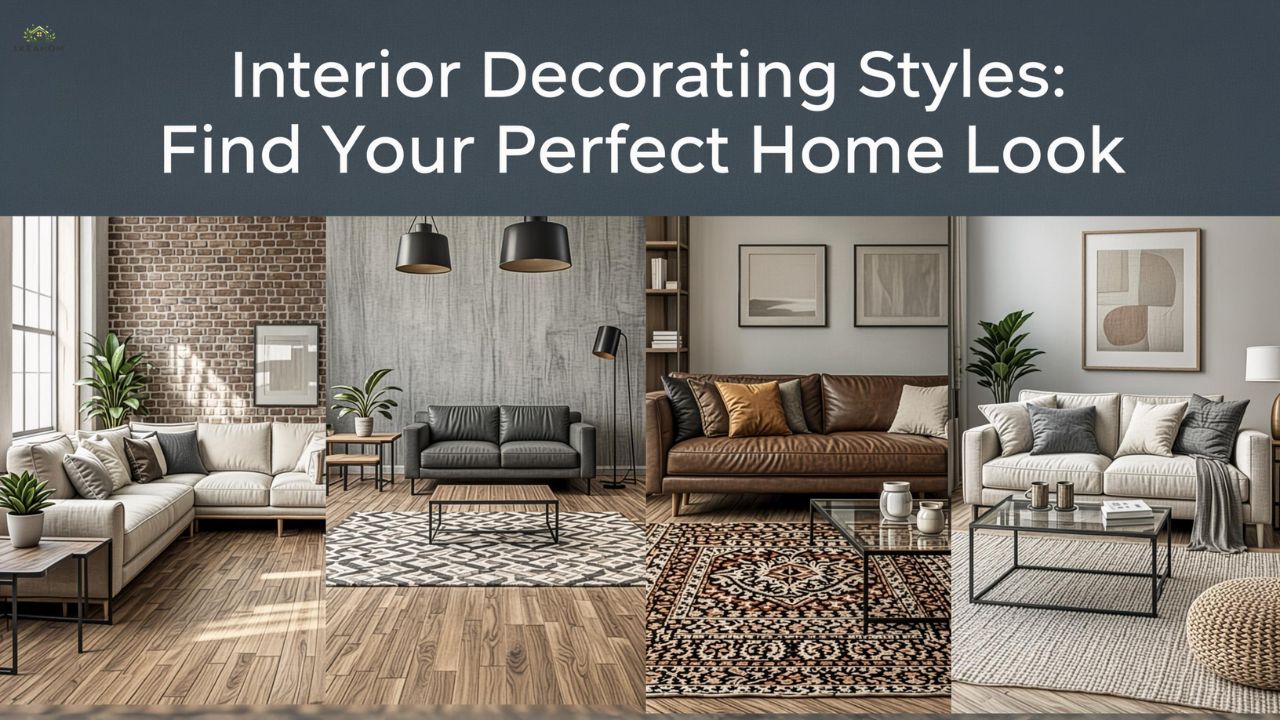
For example, modern decorating often uses clean lines and simple forms. Bohemian decorating feels layered, relaxed, and artistic. Traditional decorating leans elegant and timeless, while industrial spaces highlight raw materials like brick, metal, and concrete.
In simple terms, decorating style answers the question: “What kind of mood do I want this room to create?”
Some homes feel polished. Some feel cozy. Some feel playful, earthy, dramatic, romantic, or calm. The best homes usually reflect the people living in them, not just a showroom trend.

Why Interior Decorating Styles Matter
Understanding interior decorating styles matters because decorating without direction can get expensive fast. A sofa may look beautiful in the store, but if it fights with your rug, lighting, and wall color, the whole room can feel “off.”
A clear style helps you make better choices about:
- Furniture
- Wall colors
- Flooring
- Lighting
- Curtains and rugs
- Artwork
- Decorative accents
- Storage solutions
- Room layout
Style also affects how you feel at home. A cluttered room may feel stressful. A balanced room can feel peaceful. A dark, dramatic room may feel luxurious, while a light neutral space can feel fresh and open.
That said, no one needs to follow a style perfectly. In reality, most beautiful homes blend two or three influences. The goal is not perfection. The goal is harmony.
Modern Interior Decorating Style
Modern decorating is often confused with contemporary design, but they are not exactly the same. Modern style is rooted in the early-to-mid 20th century and focuses on simplicity, function, and clean structure.
Modern interiors usually feel open, calm, and uncluttered.
Definition
Modern decorating uses clean lines, practical furniture, minimal ornamentation, and a balanced mix of natural and industrial materials.
Common Features
- Neutral colors
- Low-profile furniture
- Open layouts
- Smooth surfaces
- Wood, leather, steel, and glass
- Simple artwork
- Minimal accessories
Best For
Modern decorating works well for apartments, open-plan homes, city houses, and anyone who dislikes fussy details.
Real-Life Example
Picture a living room with a cream sofa, walnut coffee table, black floor lamp, abstract artwork, and a soft gray rug. Nothing screams for attention, but everything feels intentional.
Contemporary Interior Decorating Style
Contemporary decorating reflects what is current now. Unlike modern style, which refers to a specific design movement, contemporary style changes as trends evolve.
Right now, contemporary interiors often include curved furniture, sculptural lighting, organic materials, soft neutrals, and smart home features.

Definition
Contemporary style is a present-day decorating approach that combines comfort, clean design, current trends, and flexible layouts.
Common Features
- Curved sofas and chairs
- Statement lighting
- Neutral walls with bold accents
- Mixed materials
- Large-scale artwork
- Open space
- Sustainable finishes
Best For
This style suits people who like fresh, updated rooms without going too trendy or overly themed.
Decorating Tip
Keep large pieces neutral and use trendy accents in smaller items like cushions, lamps, vases, and artwork. That way, your home can evolve without a full redesign.
Minimalist Interior Decorating Style
Minimalism is not about living in an empty white box. Good minimalism feels calm, warm, and purposeful.
This style asks a simple question: “Do I really need this?”
Definition
Minimalist decorating focuses on simplicity, function, open space, and carefully chosen objects.
Common Features
- Neutral color palettes
- Hidden storage
- Clean surfaces
- Simple furniture
- Limited decor
- Natural light
- Quality over quantity
Best For
Minimalism is ideal for small spaces, busy professionals, people who feel overwhelmed by clutter, and anyone who loves visual calm.

Common Mistake
Many beginners remove too much personality. The result can feel cold. Add warmth through linen, wool, wood, ceramics, plants, or soft lighting.
Scandinavian Interior Decorating Style
Scandinavian decorating comes from Nordic countries, where long winters and limited daylight shaped the way people design homes. The result is bright, cozy, and practical.
Definition
Scandinavian style blends simplicity, warmth, function, and natural textures to create comfortable everyday spaces.
Common Features
- White or light-colored walls
- Pale wood furniture
- Cozy textiles
- Soft lighting
- Indoor plants
- Simple shapes
- Functional storage
Best For
This is one of the most loved interior decorating styles for small homes because it makes rooms feel brighter and larger.
Real-Life Example
A Scandinavian bedroom might include white walls, oak nightstands, linen bedding, a wool throw, a woven pendant light, and one leafy plant by the window.
Bohemian Interior Decorating Style
Bohemian decorating, often called boho, is expressive, artistic, and relaxed. It feels collected rather than perfectly matched.
Definition
Bohemian style uses layered textures, global-inspired patterns, plants, vintage pieces, handmade decor, and warm colors to create a personal, creative space.
Common Features
- Rattan and wicker
- Macramé
- Patterned rugs
- Colorful cushions
- Vintage furniture
- Plants
- Art and travel objects

Best For
Boho style is perfect for creative people, renters, plant lovers, collectors, and anyone who wants a home with soul.
Decorating Tip
To keep boho from becoming messy, repeat a few grounding colors throughout the room. Terracotta, cream, olive, rust, and warm brown work beautifully.
Farmhouse Interior Decorating Style
Farmhouse decorating is warm, practical, and welcoming. It draws inspiration from rural homes, but modern farmhouse style is cleaner and less rustic than older versions.
Definition
Farmhouse style combines comfort, natural materials, vintage charm, and practical details.
Common Features
- Reclaimed wood
- White or cream walls
- Apron-front sinks
- Shiplap
- Black metal accents
- Slipcovered sofas
- Woven baskets
Best For
Farmhouse interiors work well for family homes, kitchens, dining rooms, and anyone who wants a casual, cozy atmosphere.
Common Mistake
Too many signs, barn doors, and distressed finishes can make a home feel staged. Use farmhouse elements sparingly for a fresher look.
Traditional Interior Decorating Style
Traditional decorating is elegant, familiar, and timeless. It often draws from European interiors, classic architecture, and formal furniture arrangements.
Definition
Traditional style focuses on symmetry, rich materials, refined details, and lasting comfort.
Common Features
- Dark wood furniture
- Classic patterns
- Crown molding
- Tufted seating
- Chandeliers
- Framed artwork
- Warm color palettes
Best For
Traditional decorating suits formal living rooms, dining rooms, historic homes, and people who love timeless beauty.
Real-Life Example
A traditional dining room might include a mahogany table, upholstered chairs, a crystal chandelier, patterned curtains, and framed landscape art.
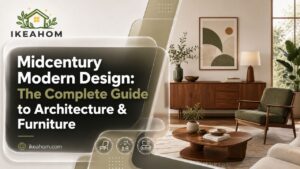
Mid-Century Modern Interior Decorating Style
Mid-century modern decorating became popular from the 1940s through the 1960s, but it still feels fresh today.
Definition
Mid-century modern style uses clean furniture lines, organic shapes, tapered legs, warm woods, and retro-inspired colors.
Common Features
- Walnut furniture
- Tapered legs
- Geometric patterns
- Low-profile sofas
- Mustard, teal, olive, and orange accents
- Functional layouts
Best For
This style works beautifully in apartments, living rooms, home offices, and open-plan spaces.
Why People Love It
Mid-century pieces feel stylish without being overly formal. They add character, but still keep rooms clean and usable.
Industrial Interior Decorating Style
Industrial decorating takes inspiration from factories, warehouses, and urban lofts.
Definition
Industrial style celebrates raw materials, exposed structure, and practical design.
Common Features
- Exposed brick
- Concrete floors
- Black metal
- Leather seating
- Edison bulbs
- Reclaimed wood
- Open shelving
Best For
Industrial interiors suit lofts, bachelor apartments, modern kitchens, studios, and creative workspaces.
Softening Tip
Industrial rooms can feel cold. Add rugs, plants, warm bulbs, linen curtains, and textured cushions to make the space more inviting.
Coastal Interior Decorating Style
Coastal decorating is inspired by beach homes, ocean air, and relaxed living. However, modern coastal style is not about filling a room with anchors and seashells.
Definition
Coastal style uses airy colors, natural fibers, soft textures, and breezy layouts to create a relaxed seaside feeling.
Common Features
- White, beige, blue, and sandy tones
- Linen fabrics
- Light wood
- Woven baskets
- Jute rugs
- Slipcovered furniture
- Natural light
Best For
Coastal style works well in bedrooms, living rooms, vacation homes, and spaces where you want calm and freshness.
Real-Life Example
A coastal bedroom might include white bedding, a pale oak bed frame, soft blue pillows, bamboo blinds, and a woven pendant light.
Transitional Interior Decorating Style
Transitional decorating is one of the most practical styles because it blends traditional and contemporary elements.
Definition
Transitional style combines classic comfort with updated lines, creating a balanced look that feels timeless but not old-fashioned.
Common Features
- Neutral color palettes
- Comfortable upholstery
- Simple silhouettes
- Subtle patterns
- Mixed old and new pieces
- Balanced symmetry
Best For
This is one of the safest interior decorating styles for homeowners who want elegance without committing to a strong theme.
Decorating Tip
Use classic furniture shapes, then update the room with modern lighting, clean artwork, and simple accessories.
Japandi Interior Decorating Style
Japandi combines Japanese minimalism with Scandinavian warmth. It has become popular because it feels peaceful, grounded, and deeply intentional.
Definition
Japandi style blends natural materials, low furniture, neutral colors, craftsmanship, and uncluttered design.
Common Features
- Low-profile furniture
- Wood and bamboo
- Stone and ceramics
- Warm neutrals
- Black accents
- Handmade objects
- Simple layouts
Best For
Japandi works well for bedrooms, bathrooms, meditation spaces, and calm living rooms.
Why It Feels So Good
Japandi avoids excess. It values quiet beauty, natural imperfections, and a slower way of living.
Maximalist Interior Decorating Style
Maximalism is bold, expressive, and joyful. It is the opposite of minimalism, but good maximalism still has structure.
Definition
Maximalist decorating uses rich color, pattern, art, books, collections, and layered textures to create dramatic, personality-filled rooms.
Common Features
- Bold wallpaper
- Gallery walls
- Mixed patterns
- Vintage pieces
- Rich jewel tones
- Statement furniture
- Decorative collections
Best For
Maximalism is ideal for confident decorators, artists, collectors, and people who dislike plain rooms.
Common Mistake
Random clutter is not maximalism. The best maximalist rooms use repeated colors, intentional groupings, and strong focal points.
Interior Decorating Styles Comparison Table
| Style | Overall Mood | Main Colors | Best Materials | Works Best In |
|---|---|---|---|---|
| Modern | Clean and calm | White, gray, black, beige | Wood, glass, leather, steel | Living rooms, apartments |
| Contemporary | Fresh and current | Neutrals with bold accents | Mixed metals, stone, fabric | Open-plan homes |
| Minimalist | Peaceful and simple | White, cream, gray, taupe | Wood, linen, wool, ceramic | Small spaces, bedrooms |
| Scandinavian | Cozy and bright | White, pale wood, soft gray | Oak, wool, linen, rattan | Small homes, family rooms |
| Bohemian | Creative and relaxed | Rust, cream, green, gold | Rattan, cotton, vintage wood | Bedrooms, studios |
| Farmhouse | Warm and welcoming | White, cream, black, brown | Reclaimed wood, metal, cotton | Kitchens, dining rooms |
| Traditional | Elegant and timeless | Burgundy, navy, cream, brown | Mahogany, velvet, brass | Formal rooms |
| Mid-Century Modern | Retro and stylish | Walnut, mustard, teal, olive | Wood, leather, molded plastic | Living rooms, offices |
| Industrial | Urban and raw | Black, gray, brown, brick red | Metal, concrete, leather | Lofts, kitchens |
| Coastal | Light and breezy | White, blue, sand, beige | Linen, jute, light wood | Bedrooms, vacation homes |
| Transitional | Balanced and refined | Cream, taupe, gray, navy | Wood, fabric, metal | Whole-home design |
| Japandi | Quiet and grounded | Beige, charcoal, warm white | Bamboo, stone, clay, wood | Bedrooms, bathrooms |
| Maximalist | Bold and personal | Jewel tones, mixed colors | Velvet, brass, wallpaper | Creative homes |
How to Choose the Right Decorating Style
Choosing among different interior decorating styles becomes easier when you stop asking, “What is trendy?” and start asking, “How do I want to live?”
Start With Your Daily Life
A beautiful room that does not support your routine will eventually annoy you. Think about your habits first.
Ask yourself:
- Do I have children or pets?
- Do I entertain guests often?
- Do I work from home?
- Do I need hidden storage?
- Do I prefer calm or energy?
- Do I enjoy cleaning decorative objects?
A minimalist glass coffee table may look stunning, but it may not work for a busy family with toddlers. A white linen sofa may feel dreamy, but it might be stressful if you have muddy dogs.
Look at What You Already Own
Before buying anything new, notice the pieces you keep using and loving. They often reveal your real style.
Maybe you own:
- A vintage wooden dresser
- A modern black lamp
- A colorful Moroccan rug
- A farmhouse dining table
- A sleek leather sofa
These clues matter. Your home may already be telling you what direction to take.
Build a Mood Board
Save 20 room photos you love. Then look for repeated details:
- Similar wall colors
- Similar flooring
- Similar furniture shapes
- Similar metals
- Similar textures
- Similar lighting
If most images include pale wood, plants, white walls, and cozy textiles, Scandinavian or Japandi may suit you. If you keep saving velvet sofas, wallpaper, and gallery walls, maximalism may be calling your name.
Choose Three Anchor Words
This is a simple designer trick. Pick three words you want your home to feel like.
Examples:
- Calm, warm, natural
- Elegant, classic, polished
- Creative, colorful, relaxed
- Clean, modern, functional
- Cozy, rustic, welcoming
Use these words before every purchase. If a piece does not match the feeling, skip it.
How to Mix Interior Decorating Styles Without Chaos
Most real homes are mixed-style homes. A room can be modern and cozy, traditional and fresh, or bohemian and minimal.
The secret is balance.
Use the 70-20-10 Rule
A helpful formula:
- 70% main style
- 20% secondary style
- 10% accent style
For example, a living room could be 70% Scandinavian, 20% bohemian, and 10% industrial. That might mean pale wood furniture, layered textiles, a few plants, and a black metal floor lamp.
Repeat Colors
Color repetition makes mixed rooms feel connected. Choose a palette of three to five colors and repeat them across furniture, rugs, artwork, and accessories.
Match Wood Undertones
Wood tones do not need to match exactly, but their undertones should feel compatible. Warm oak, walnut, and teak often work together. Gray-washed wood may clash with orange-toned pine.
Balance Old and New
A traditional wooden cabinet can look beautiful with modern art above it. A sleek sofa can feel warmer with vintage side tables. Contrast creates interest when it feels intentional.
Avoid Too Many Statement Pieces
Every room needs breathing space. If the rug, sofa, wallpaper, chandelier, and artwork are all screaming for attention, the room can feel exhausting.
Current Decorating Trends Worth Knowing
Decorating trends should inspire you, not control you. Still, it helps to know where home design is heading.
Biophilic Design
Biophilic design brings nature indoors through plants, natural light, organic textures, stone, wood, linen, and earthy color palettes. Many designers now treat biophilic elements as a baseline rather than a luxury trend, especially in wellness-focused homes.
Sustainable Materials
Natural and responsible materials are becoming more important. Cork, timber, wool, linen, reclaimed wood, vintage furniture, and bio-based materials are showing up in more homes as people look for beauty with lower environmental impact.
Soft Retro Colors
Soft 1950s-inspired pastels such as buttercream yellow, mint green, and baby blue are returning in updated ways. Designers are using them as gentle accents rather than overwhelming themes.
Large-Scale Florals
Floral prints are also making a modern comeback, especially when paired with contemporary furniture, solid textures, or edgier materials like leather and metal.
Flexible Rooms
Remote work changed how people use their homes. Guest rooms now double as offices. Dining rooms become homework zones. Living rooms need storage, comfort, and technology without looking chaotic.
FAQ
What are the most popular interior decorating styles?
Some of the most popular styles include modern, contemporary, minimalist, Scandinavian, bohemian, farmhouse, traditional, mid-century modern, industrial, coastal, transitional, Japandi, and maximalist.
How do I know which decorating style I like?
Save photos of rooms you love, then look for patterns in color, furniture, materials, and mood. Your repeated choices usually reveal your preferred decorating direction.
Can I mix different interior decorating styles?
Yes. Many beautiful homes mix styles. Keep one main style dominant, repeat colors, and limit competing statement pieces so the room feels layered instead of messy.
What decorating style is best for small homes?
Scandinavian, minimalist, Japandi, and modern styles work especially well in small homes because they use clean lines, light colors, and practical storage.
What is the difference between modern and contemporary decorating?
Modern decorating refers to a specific 20th-century design movement. Contemporary decorating means current design and changes as trends evolve.
Which decorating style feels the most timeless?
Traditional, transitional, Scandinavian, and mid-century modern styles tend to age well because they rely on strong design principles rather than short-lived trends.
What is the easiest decorating style for beginners?
Transitional style is often easiest because it blends classic and modern pieces. It feels flexible, comfortable, and forgiving.
How many colors should I use in one room?
Most rooms look balanced with three to five main colors. You can use one dominant color, one or two supporting shades, and one accent color.
Are farmhouse interiors still popular?
Yes, but the look is becoming more refined. Instead of heavy rustic signs and distressed finishes, many homeowners now prefer cleaner modern farmhouse details.
What is the best way to update my home without redecorating everything?
Start with paint, lighting, rugs, curtains, cushions, and artwork. These changes can shift a room’s style without replacing major furniture.
Conclusion
Understanding interior decorating styles gives you confidence. Suddenly, shopping feels less random. Your rooms start to connect. You begin noticing why certain spaces feel peaceful, elegant, cozy, or exciting.
The best style is not always the trendiest one. It is the one that supports your lifestyle and makes you feel good when you walk through the door. Maybe that means Scandinavian simplicity, bohemian warmth, traditional elegance, or a thoughtful mix of several influences.
A beautiful home does not need to look perfect. It needs to feel lived in, loved, and intentionally yours.