

Moving into a new home is exciting, but furnishing it can quickly become overwhelming. According to housing and interior design surveys, many homeowners regret at least one major furniture purchase within their first year because they rushed the decision. If you’re wondering how to choose furniture for a new home, you’re not alone.
The challenge isn’t simply filling empty rooms. It’s creating a comfortable, functional, and beautiful living environment that reflects your lifestyle. The right furniture can improve daily living, maximize space, and even save money over time.
Whether you’ve purchased your first house, moved into a larger family home, or downsized into a more manageable space, understanding how furniture decisions affect comfort and practicality will help you avoid costly mistakes.
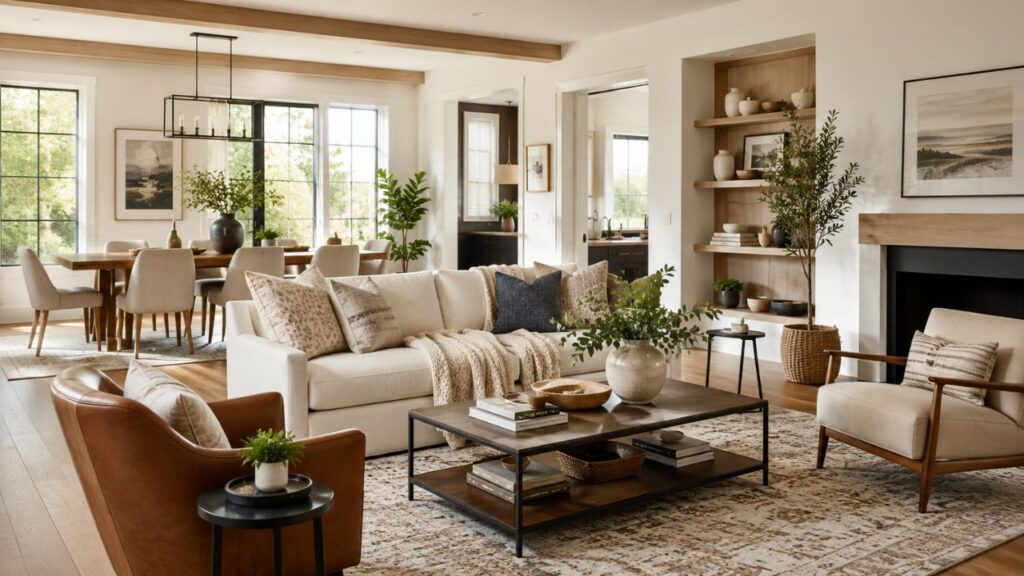
Why Furniture Planning Matters Before You Buy
Many people start shopping before measuring rooms or defining their needs. That’s often where problems begin.
Furniture isn’t just decoration. Every piece serves a purpose. A sofa becomes the center of family gatherings. A dining table hosts celebrations and everyday meals. A bed affects sleep quality and overall well-being.
Before buying anything, think about:
- How each room will be used
- Who will use the space most often
- Daily routines and habits
- Long-term lifestyle goals
- Future family needs
A thoughtful approach prevents impulse purchases and ensures your home feels cohesive rather than cluttered.
Understanding Your Lifestyle First
Consider Daily Activities
One of the most overlooked aspects of how to choose furniture for a new home is evaluating how you actually live.
A family with young children needs different furniture than a retired couple or a single professional working remotely.
Ask yourself:
- Do you entertain guests frequently?
- Do children or pets live in the home?
- Do you work from home?
- How much storage do you need?
- Are durability and easy cleaning priorities?
Your answers should guide every purchase decision.
Think Long-Term
Furniture should support your lifestyle for years, not months.
For example, if you’re planning to start a family soon, a delicate glass coffee table may not be the best investment. Similarly, if you expect frequent relocations, modular furniture can offer greater flexibility.
Measure Every Room Carefully
Nothing is more frustrating than discovering your new sofa won’t fit through the doorway.
Create Accurate Floor Plans
Before shopping, measure:
- Room length and width
- Ceiling height
- Doorways
- Hallways
- Staircases
- Window locations
Use graph paper or room-planning software to create layouts.
Professional interior designers often recommend leaving at least 30 to 36 inches of walking space around major furniture pieces.
Avoid Common Measurement Mistakes
Many homeowners focus only on room dimensions.
You should also measure:
- Entryways
- Elevators (if applicable)
- Hall corners
- Interior door openings
Understanding these dimensions helps prevent expensive delivery issues.
How to Choose Furniture for a New Home Based on Room Priorities
Not every room requires immediate furnishing.
Start with Essential Rooms
Focus first on spaces used daily:
- Bedroom
- Living room
- Dining area
- Home office (if needed)
Investing in these areas first ensures comfort while allowing time to make thoughtful decisions elsewhere.
Prioritize High-Impact Pieces
When learning how to choose furniture for a new home, begin with foundational furniture:
- Sofa
- Bed frame
- Mattress
- Dining table
- Storage solutions
These pieces anchor the room and influence future decorating choices.
Establish a Realistic Furniture Budget
Furniture costs can escalate quickly.
Industry reports indicate that furnishing an entire home often costs between 10% and 20% of the home’s purchase price, depending on quality and size.
Divide Spending Strategically
Consider allocating more money toward:
- Mattresses
- Sofas
- Dining tables
- Office chairs
These items experience heavy daily use.
Meanwhile, decorative accessories and occasional furniture can often be upgraded later.
Follow the Quality Rule
A practical guideline many designers recommend:
- Buy the best quality you can afford for frequently used items.
- Save on trend-driven accessories.
This approach balances durability and affordability.
Choosing the Right Furniture Style
Your home should feel consistent without appearing overly matched.
Identify Your Design Preference
Popular styles include:
- Modern
- Contemporary
- Traditional
- Farmhouse
- Scandinavian
- Industrial
- Transitional
Browse design magazines, home tours, and inspiration boards to identify recurring themes you naturally gravitate toward.
Create Visual Harmony
You don’t need every item from the same collection.
Instead, focus on consistency through:
- Color palette
- Materials
- Shapes
- Finishes
A balanced mix often feels more sophisticated than a perfectly matched furniture set.
How to Choose Furniture for a New Home Without Overcrowding
One of the biggest decorating mistakes is buying furniture that’s too large.
Follow Scale and Proportion Principles
Furniture should complement room dimensions.
Examples include:
- Large sectional sofas for spacious living rooms
- Apartment-sized sofas for smaller spaces
- Round tables for compact dining areas
- Tall bookcases in rooms with high ceilings
Leave Breathing Room
Empty space is important.
Interior designers often refer to negative space as a design element. Rooms feel more luxurious and comfortable when furniture isn’t packed into every corner.
Selecting Durable Materials
Furniture materials influence appearance, maintenance, and longevity.
Upholstery Choices
Popular upholstery options include:
Performance Fabric
- Stain-resistant
- Family-friendly
- Easy maintenance
Leather
- Durable
- Ages beautifully
- Higher initial investment
Microfiber
- Affordable
- Pet-friendly
- Easy to clean
Wood Furniture Options
Common choices include:
- Oak
- Maple
- Walnut
- Cherry
- Acacia
Solid wood typically lasts longer than particleboard alternatives.
However, engineered wood products can offer excellent value for certain applications.
Focus on Comfort, Not Just Appearance
Beautiful furniture that isn’t comfortable eventually becomes a regret.
Test Before Buying
Whenever possible:
- Sit on sofas
- Lie on mattresses
- Test dining chairs
- Check desk ergonomics
Comfort preferences vary significantly between individuals.
Evaluate Seat Depth and Support
For sofas:
- Deeper seats encourage lounging
- Shallower seats support upright sitting
The best choice depends on how your household uses the furniture.
Storage Solutions for Modern Living
Storage becomes increasingly important as households grow.
Multi-Functional Furniture
Consider pieces that serve multiple purposes:
- Storage ottomans
- Lift-top coffee tables
- Bed frames with drawers
- Expandable dining tables
- Modular shelving systems
These solutions maximize functionality without sacrificing style.
Plan Storage Room by Room
Living Room:
- Media consoles
- Bookcases
- Storage benches
Bedroom:
- Dressers
- Nightstands
- Wardrobes
Entryway:
- Shoe storage
- Console tables
- Coat organization systems
Color Selection and Coordination
Color dramatically influences mood and perception.
Start with Neutral Foundations
Many experienced designers recommend neutral furniture for major investments.
Popular choices include:
- Beige
- Gray
- Cream
- Taupe
- Soft white
These colors adapt easily to changing trends.
Add Personality Through Accents
Introduce color through:
- Pillows
- Throws
- Artwork
- Rugs
- Decorative accessories
This approach makes future updates simpler and more affordable.
Common Mistakes to Avoid
Learning how to choose furniture for a new home also means understanding common pitfalls.
Buying Everything at Once
Many homeowners rush to furnish every room immediately.
Instead:
- Purchase essentials first
- Live in the space
- Learn traffic patterns
- Identify actual needs
Ignoring Functionality
A stunning chair that nobody uses isn’t a successful purchase.
Always balance aesthetics with practical use.
Following Trends Too Closely
Trends change quickly.
Invest in timeless foundational pieces and use accessories to experiment with current styles.
Forgetting Maintenance Requirements
Before purchasing, understand:
- Cleaning procedures
- Material durability
- Repair options
- Manufacturer warranties
Frequently Asked Questions
How much should I budget for furniture in a new home?
Budgets vary significantly based on home size and furniture quality. Many homeowners spend between 10% and 20% of their home’s value over time, though you can furnish gradually to spread costs.
What room should I furnish first?
Start with the bedroom and living room. These spaces have the greatest impact on daily comfort and functionality.
Is it better to buy furniture sets or individual pieces?
Individual pieces usually provide more flexibility and personality. Coordinated sets can work well, but mixing complementary furniture often creates a more curated appearance.
How do I know if furniture is good quality?
Examine construction details, materials, warranties, and customer reviews. Solid wood frames, durable fabrics, and sturdy joinery often indicate better quality.
What furniture should I invest the most money in?
Prioritize mattresses, sofas, dining tables, and office chairs because they receive the most daily use and affect comfort significantly.
Should furniture match throughout the entire house?
Not necessarily. Consistency is more important than matching. Similar colors, materials, and design themes create harmony without making rooms feel repetitive.
How can I make a small room feel larger with furniture?
Choose appropriately scaled pieces, avoid overcrowding, use lighter colors, and incorporate furniture with visible legs to create a sense of openness.
How long should quality furniture last?
Well-made furniture can last 10 to 25 years or more, depending on construction quality, material selection, and maintenance practices.
Final Thoughts
Understanding how to choose furniture for a new home isn’t about buying the most expensive pieces or following every design trend. It’s about creating spaces that support your lifestyle, fit your budget, and make everyday living more enjoyable.
The best furniture decisions happen when you slow down, measure carefully, prioritize comfort, and think long term. A thoughtfully furnished home evolves over time, reflecting your experiences, needs, and personal style. As you build each room, focus on quality, functionality, and comfort, and you’ll create a home that feels welcoming for years to come.