Introduction
The smallest spaces in a home often make the strongest first impression. That’s exactly why hallway runners have become one of the most important design elements in modern interiors. A long, beautifully styled runner can instantly transform an empty corridor into a warm, inviting, and visually connected space.
Hallways are often overlooked during decorating projects because they seem purely functional. Yet these transitional areas shape how a home feels from the moment someone walks through the door. A thoughtfully chosen runner rug adds softness underfoot, protects flooring, absorbs sound, and introduces color, texture, and personality.

Whether your style leans minimalist, traditional, vintage-inspired, or contemporary, the right runner can completely elevate the atmosphere of your home. From classic Persian patterns to sleek Scandinavian neutrals, hallway rugs now play a major role in interior styling.
Beyond appearance, they also make daily life more comfortable. Hardwood and tile hallways can feel cold and echo-heavy, while runners create warmth, softness, and a more welcoming environment.
Why hallway runners Matter in Interior Design
A hallway may seem like a simple passageway, but it visually connects different areas of the home. Because of this, the design choices made in these spaces influence the overall flow of an interior.
They Create Visual Continuity
One of the biggest advantages of using runner rugs is their ability to guide the eye naturally through a space.
A well-placed runner can:
- Make narrow hallways appear longer
- Connect adjacent rooms cohesively
- Add symmetry and balance
- Introduce texture without overwhelming the space
- Create a polished finished look
Without a runner, long hallways can often feel empty or unfinished.
They Add Warmth and Comfort
Hard flooring may look beautiful, but it can sometimes feel cold and uninviting. Hallway rugs soften the entire experience of moving through a home.
This added comfort becomes especially noticeable during colder months when bare floors feel less cozy underfoot.
In family homes, runners also reduce noise from footsteps, creating a calmer atmosphere overall.
Choosing the Right Size and Shape
Selecting the correct size is one of the most important parts of styling a hallway successfully.
Ideal Runner Dimensions
A hallway runner should complement the proportions of the space without covering the entire floor.
General guidelines include:
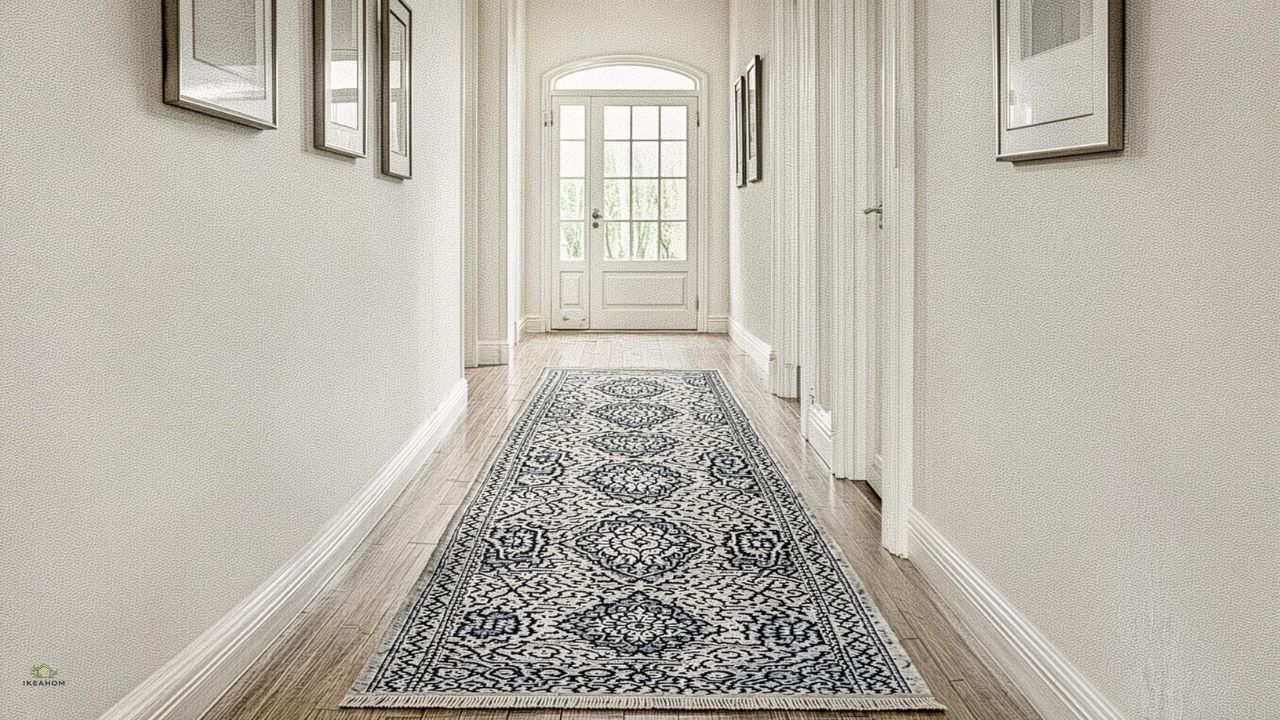
- Leave 4–6 inches of floor visible on each side
- Avoid runners that touch walls directly
- Ensure the rug aligns naturally with the hallway shape
For extra-long hallways, layered or custom runners may work best.
Measuring Before Buying
Before purchasing, carefully measure:
- Hallway length
- Hallway width
- Door clearance space
- Furniture placement areas
A runner that’s too small may feel disconnected, while one that’s too large can overwhelm the hallway visually.

Proper sizing creates balance and helps the rug feel intentionally integrated into the design.
Popular Styles of Hallway Runners
The beauty of modern interior design is that there’s a runner style for virtually every aesthetic.
Vintage and Persian-Inspired Rugs
Vintage runners remain incredibly popular because they instantly add character and timeless charm.
These rugs often feature:
- Intricate patterns
- Warm earthy tones
- Faded antique finishes
- Rich reds and blues
- Traditional motifs
Vintage styles work beautifully in both classic and modern interiors because they create contrast and depth.
Minimalist Neutral Runners
Neutral runners are ideal for Scandinavian, Japandi, or contemporary spaces.
Common shades include:
- Cream
- Beige
- Soft gray
- Taupe
- Sand
These rugs create a calm and airy feeling while allowing other design elements to stand out.
Geometric and Modern Designs
For a more contemporary look, geometric patterns can add movement and visual interest.
Black-and-white designs, abstract motifs, and textured weaves are especially popular in modern homes.
These styles work well when paired with clean lines and minimal furniture.
Materials That Work Best for High-Traffic Areas
Because hallways experience heavy foot traffic, durability matters just as much as style.
Wool Runners
Wool is one of the most durable and luxurious materials available.
Benefits include:
- Natural stain resistance
- Soft texture
- Excellent durability
- Noise reduction
- Long-lasting quality
Wool runners may cost more initially, but they often age beautifully over time.
Washable Synthetic Rugs
For busy households with children or pets, washable materials are often the most practical option.
Popular materials include:
- Polyester
- Polypropylene
- Recycled fibers
These rugs are easier to clean and maintain while still offering stylish designs.
Natural Fiber Rugs
Jute and sisal runners bring organic texture into the home.
They work especially well in coastal, bohemian, or rustic interiors. However, they may feel rougher underfoot compared to wool or plush materials.
How hallway runners Influence Atmosphere
The texture, pattern, and color of a runner significantly affect the emotional tone of a hallway.
Light-Colored Rugs Open Up Small Spaces
Cream and neutral runners reflect more light, helping narrow hallways feel brighter and more spacious.
This is especially useful in homes with limited natural light.
Dark Patterns Add Drama
Deeper tones and intricate designs create a more dramatic and luxurious atmosphere.
They also help conceal dirt and wear more effectively in busy homes.
Texture Changes the Mood
High-pile runners feel soft and cozy, while flatweave rugs feel more casual and modern.
Texture can subtly shift the overall personality of the space.
Styling Tips for Beautiful Hallways
A runner should work harmoniously with the rest of the decor rather than existing in isolation.
Coordinate With Wall Colors
The rug doesn’t need to match walls exactly, but complementary tones help create cohesion.
Warm neutrals pair beautifully with wooden floors, while cooler tones often work better with contemporary interiors.
Add Layered Lighting
Lighting dramatically changes how a hallway feels.
Consider adding:
- Wall sconces
- Pendant lights
- Table lamps on consoles
- Warm LED lighting
Soft lighting enhances the textures and patterns within the rug itself.
Include Decorative Accents
Hallways feel more intentional when styled thoughtfully.
Popular hallway decor elements include:
- Framed artwork
- Mirrors
- Console tables
- Ceramic vases
- Indoor plants
- Decorative baskets
These additions help create a welcoming transition between rooms.
Washable Runners vs Traditional Rugs
Modern homeowners increasingly prefer washable rugs because they simplify maintenance.
Advantages of Washable Options
Washable hallway runners are especially practical for:
- Homes with pets
- Families with children
- High-traffic entryways
- Allergy-sensitive households
They’re easy to refresh and maintain without professional cleaning.
When Traditional Rugs Work Better
Traditional wool or handwoven rugs often provide superior texture, craftsmanship, and longevity.
These rugs are ideal for formal homes or lower-traffic hallways where long-term durability and luxury matter most.
Seasonal Styling Ideas
One overlooked benefit of runner rugs is how easily they refresh a space throughout the year.
Cozy Autumn Hallways
During colder seasons, richer tones create warmth and comfort.
Popular autumn-inspired choices include:
- Rust
- Olive green
- Camel
- Deep burgundy
- Chocolate brown
Layered textures and warm lighting enhance the cozy feeling.
Light and Airy Spring Decor
Spring styling often focuses on freshness and brightness.
Neutral runners paired with greenery and natural textures create an open, uplifting atmosphere.
Common Mistakes to Avoid
Even beautiful rugs can look awkward if styled incorrectly.
Choosing the Wrong Width
A runner that’s too narrow can feel disconnected from the hallway itself.
Always leave balanced floor spacing on both sides.
Ignoring Rug Pads
Without rug pads, runners may slide or wrinkle over time.
A quality rug pad improves:
- Safety
- Comfort
- Longevity
- Noise reduction
Overcomplicating the Space
Hallways are transitional areas, so clutter should be minimal.
Avoid overcrowding the space with excessive furniture or decor.
Hallway Runners for Different Interior Styles
The versatility of hallway runners allows them to adapt to many different aesthetics.
Scandinavian Homes
Scandinavian interiors often feature:
- Neutral palettes
- Minimal decor
- Light wood floors
- Soft textures
Simple woven runners work beautifully in these spaces.
Farmhouse Interiors
Farmhouse-style homes pair well with vintage-inspired rugs featuring warm tones and distressed patterns.
Modern Luxury Homes
Contemporary luxury interiors often use oversized runners with subtle patterns, plush textures, and sophisticated neutral palettes.
These designs create elegance without overwhelming the architecture.
Maintaining Your Runner Rugs
Proper care helps preserve the appearance and lifespan of hallway rugs.
Regular Vacuuming
Vacuum frequently to remove dirt and dust buildup, especially in high-traffic zones.
Rotate the Rug Periodically
Rotating the runner every few months helps distribute wear more evenly.
Spot Clean Quickly
Address spills immediately to prevent stains from setting into the fibers.
Professional cleaning may occasionally be necessary for wool or vintage rugs.
FAQ
What are hallway runners used for?
They add warmth, protect flooring, reduce noise, and improve the overall appearance of hallways and narrow spaces.
How wide should a hallway runner be?
A runner should leave several inches of visible flooring on each side for balanced proportions.
Are washable runner rugs worth it?
Yes, especially for busy households with pets, children, or heavy foot traffic.
Which material is best for hallway runners?
Wool is highly durable and soft, while synthetic materials offer easier maintenance and affordability.
Can runners make hallways look bigger?
Yes. The right pattern, color, and placement can visually lengthen and brighten narrow hallways.
Should runner rugs cover the entire hallway?
No. Leaving visible floor borders helps create a cleaner and more balanced appearance.
Are patterned runners better for busy homes?
Patterned rugs often hide dirt and wear more effectively than solid-colored options.
How do I stop a hallway runner from sliding?
Use a high-quality non-slip rug pad underneath the runner for stability and safety.
Conclusion
The growing popularity of hallway runners proves that even the most overlooked spaces deserve thoughtful design. A beautifully chosen runner does far more than decorate a corridor — it adds comfort, warmth, personality, and visual flow throughout the home.
Whether you prefer vintage-inspired elegance, minimalist neutrals, or bold contemporary patterns, the right runner can completely transform the atmosphere of your hallway. From protecting floors to softening acoustics and enhancing everyday comfort, these versatile rugs offer both style and practicality.
With the right size, texture, and placement, a hallway runner becomes more than an accessory. It becomes an essential part of creating a home that feels cohesive, welcoming, and beautifully lived-in every single day.