
Introduction
A blank wall has endless potential, and the right hanging art can completely transform the feeling of a space. Whether it’s a bold oversized canvas, a carefully curated gallery wall, or a simple framed print above a console table, art has the power to add warmth, personality, and emotion to any room.
Many people underestimate how much wall decor influences the atmosphere of a home. The right piece can make a room feel larger, cozier, more luxurious, or more inviting. Beyond aesthetics, art tells stories, reflects personal style, and creates visual balance throughout an interior.
From modern minimalist apartments to rustic farmhouse homes, hanging wall art remains one of the easiest ways to refresh a space without a major renovation. With countless styles, materials, and layouts available today, decorating walls has become more creative and personal than ever before.

Why Hanging Art Matters in Interior Design
Art does more than simply fill empty walls. It shapes the mood and identity of a room while adding visual structure to the space.
Creates a Strong First Impression
Guests naturally notice wall decor almost immediately when entering a room. Thoughtfully selected artwork helps create a memorable first impression and establishes the style of the home.
A dramatic statement piece can instantly communicate whether a space feels:
- Modern
- Cozy
- Elegant
- Artistic
- Relaxed
- Luxurious
Adds Personality to a Space
Furniture alone rarely makes a home feel complete. Art introduces individuality and emotional warmth that generic decor often lacks.
People often choose pieces that reflect:
- Travel memories
- Personal interests
- Favorite colors
- Cultural influences
- Family history
- Creative expression
Enhances Visual Balance
Large blank walls can make rooms feel unfinished or cold. Properly placed artwork creates proportion and balance, helping tie together furniture, lighting, and architectural elements.

Popular Types of Hanging Art
Different forms of wall art create completely different moods and aesthetics.
Canvas Art
Canvas pieces remain one of the most versatile and popular choices for modern interiors.
Benefits of canvas artwork include:
- Lightweight design
- Frameless modern appearance
- Wide variety of styles
- Easy installation
- Affordable options
Canvas prints work beautifully in living rooms, bedrooms, offices, and dining spaces.
Framed Prints
Framed artwork offers a timeless and polished appearance. Frames help elevate even simple prints into sophisticated design features.
Popular frame materials include:
- Natural wood
- Matte black metal
- Gold finishes
- White minimalist frames
Metal Wall Art
Metal wall decor creates texture and dimension while adding a contemporary edge.
Common styles include:
- Abstract geometric pieces
- Nature-inspired sculptures
- Industrial wall designs
- Minimalist line art

Best Rooms for Hanging Art
Every room benefits from thoughtfully placed wall decor, though the style and scale should vary depending on the space.
Living Room Hanging Art Ideas
The living room often serves as the centerpiece of the home, making artwork especially important.
Popular living room placements include:
- Above the sofa
- Over fireplaces
- Behind accent chairs
- Along gallery walls
Large-scale artwork creates a dramatic focal point and helps anchor furniture arrangements.
Bedroom Wall Art
Bedrooms benefit from calming and emotionally comforting artwork.
Ideal bedroom themes include:
- Nature photography
- Soft abstract designs
- Neutral-toned artwork
- Minimalist line drawings
The goal is usually to create a peaceful and relaxing atmosphere.
Dining Room Artwork
Dining areas often look more inviting with artistic touches that encourage warmth and conversation.

Popular dining room styles include:
- Vintage-inspired prints
- Large statement canvases
- Symmetrical framed collections
- Black-and-white photography
Entryway Wall Decor
Entryways are perfect for showcasing bold art because they establish the home’s visual tone immediately.
Mirrors combined with artwork also help make smaller entry spaces feel larger and brighter.
Choosing the Right Size for Wall Art
Scale plays a major role in how balanced and professional wall decor appears.
Oversized Art for Impact
Large artwork creates instant drama and sophistication.
Oversized pieces work especially well in:
- Open-concept homes
- High ceilings
- Minimalist interiors
- Spacious living rooms
A single large canvas often creates more impact than several smaller pieces.
Small Artwork Arrangements
Smaller pieces work best when grouped intentionally.
Popular arrangements include:
- Gallery walls
- Symmetrical grids
- Eclectic collections
- Vertical layouts
Spacing consistency helps smaller pieces feel organized rather than cluttered.
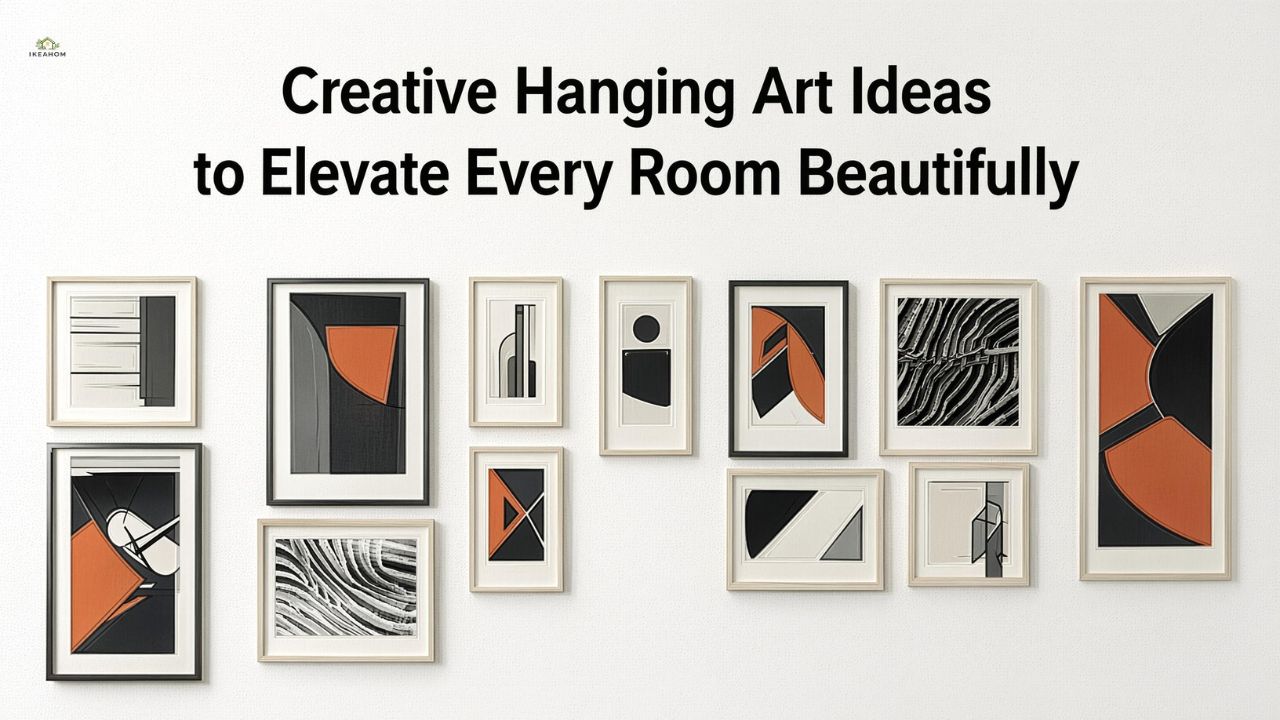
Gallery Walls That Feel Curated
Gallery walls remain one of the most stylish and personal decorating trends.
How to Build a Balanced Gallery Wall
A successful gallery wall typically combines:
- Different frame sizes
- Complementary colors
- Varied textures
- Balanced spacing
- Personal meaning
Planning layouts on the floor before hanging helps avoid mistakes.
Mixing Art Styles Successfully

Combining different artistic styles creates depth and personality when done thoughtfully.
Try blending:
- Photography and abstract art
- Vintage and modern pieces
- Neutral and bold colors
- Typography and illustrations
The key is maintaining a common thread, such as color palette or framing style.
Hanging Art Above Furniture
Correct placement height makes a huge difference in how professional artwork appears.
Above the Sofa
Artwork above sofas should typically span about two-thirds the width of the furniture below it.
This creates:
- Better visual proportion
- Stronger balance
- Cohesive room design
Above the Bed
Bedroom artwork should feel calming rather than overwhelming.
Popular choices include:
- Soft landscapes
- Minimal line art
- Neutral abstract prints
- Framed textiles
Above Consoles and Sideboards
Entryway consoles and dining sideboards pair beautifully with statement artwork or mirrors layered with smaller pieces.
Layered styling adds visual depth and sophistication.
Modern Hanging Art Trends
Interior design trends continue evolving, and wall decor trends change alongside them.
Textured Wall Art
Textured artwork has become incredibly popular because it adds dimension and warmth.
Popular textures include:
- Plaster finishes
- Fabric art
- Woven wall hangings
- Raised abstract patterns
These tactile surfaces make spaces feel more dynamic.
Minimalist Art
Minimalist pieces focus on simplicity and intentional design.
Common minimalist themes include:
- Neutral tones
- Geometric shapes
- Thin black lines
- Monochromatic palettes
Minimalism works especially well in modern and Scandinavian interiors.
Nature-Inspired Artwork
Botanical prints, ocean photography, and landscape paintings help bring calming natural energy indoors.
Nature-inspired art often creates a more peaceful atmosphere while softening modern spaces.
Hanging Art for Small Spaces
Even compact homes benefit from carefully selected wall decor.
Use Vertical Space Strategically
Tall artwork draws the eye upward, making ceilings feel higher and rooms feel larger.
Vertical arrangements work beautifully in:
- Narrow hallways
- Apartments
- Small bedrooms
- Staircases
Choose Light and Airy Designs
Lighter colors and minimal compositions prevent small spaces from feeling visually crowded.
Mirrors paired with art also help reflect natural light.
Common Mistakes to Avoid
Even beautiful artwork can look awkward when placed incorrectly.
Hanging Art Too High
One of the most common decorating mistakes is placing artwork too close to the ceiling.
Most artwork should hang at approximately eye level for comfortable viewing.
Choosing the Wrong Scale
Tiny artwork on a massive wall often looks disconnected and unfinished.
Similarly, oversized pieces can overwhelm smaller rooms if not balanced carefully.
Overcrowding Walls
Not every wall needs decoration. Strategic negative space helps artwork stand out more effectively.
Best Materials for Hanging Art
Different materials create different visual effects and maintenance requirements.
Wood Wall Decor
Wood-based art adds warmth and texture while complementing rustic and farmhouse interiors.
Popular wood styles include:
- Carved panels
- Reclaimed wood signs
- Layered wood sculptures
Acrylic and Glass Art
Glossy acrylic pieces create a sleek and contemporary appearance.
These materials often enhance:
- Modern interiors
- Luxury spaces
- Bright rooms with natural light
Fabric and Textile Art
Textile wall hangings add softness and cozy texture to interiors.
Popular textile pieces include:
- Macramé
- Tapestries
- Woven fiber art
- Embroidered panels
How Lighting Affects Hanging Art
Lighting dramatically changes how artwork appears throughout the day.
Natural Light Considerations
Natural light enhances colors beautifully but may fade delicate artwork over time.
UV-protective glass helps preserve valuable pieces.
Accent Lighting for Artwork
Picture lights and wall sconces create gallery-inspired sophistication while highlighting important focal points.
Warm lighting usually creates the most inviting atmosphere.
Budget-Friendly Hanging Art Ideas
Beautiful walls don’t always require expensive investments.
Affordable Decorating Options
Budget-friendly ideas include:
- Printable digital art
- DIY framed photography
- Vintage thrifted frames
- Fabric wall panels
- DIY canvas painting projects
Mixing High and Low Decor
Combining affordable prints with a few premium statement pieces creates a layered, collected appearance.
This approach feels more personal and authentic than purchasing matching sets.
Seasonal Hanging Art Updates
Changing artwork seasonally helps refresh interiors throughout the year.
Spring and Summer Decor
Warm-weather artwork often features:
- Botanical prints
- Coastal themes
- Bright colors
- Nature photography
Fall and Winter Styles
Cooler seasons usually pair well with:
- Moody landscapes
- Rich earthy tones
- Cozy textures
- Dark abstract pieces
Seasonal rotation keeps interiors feeling fresh and inspiring year-round.
FAQ
Frequently Asked Questions
What is the best height for hanging wall art?
Most artwork should hang at eye level, typically around 57 to 60 inches from the floor to the center of the piece.
How do I choose the right size artwork?
Artwork should generally fill about two-thirds of the wall or furniture width beneath it.
Can hanging art make a room feel bigger?
Yes, properly scaled artwork and vertical arrangements can make ceilings appear taller and spaces feel larger.
What type of artwork works best in modern homes?
Minimalist abstract pieces, neutral palettes, and geometric designs are especially popular in contemporary interiors.
Should all wall art frames match?
Frames don’t need to match perfectly, but cohesive tones or materials help create visual harmony.
Is canvas art better than framed prints?
Both work beautifully. Canvas art feels more modern, while framed prints offer a classic and polished appearance.
How far apart should gallery wall frames be?
Most gallery walls look balanced with spacing between 2 and 4 inches.
Can I mix photography with paintings?
Absolutely. Combining different artistic mediums often creates a more dynamic and personal display.
What colors are best for small rooms?
Lighter tones and minimal designs usually help small rooms feel more open and airy.
How do I keep wall art from looking cluttered?
Use intentional spacing, balanced layouts, and avoid overcrowding every wall with decor.
Conclusion
Thoughtfully selected hanging art has the power to completely transform a home, turning ordinary walls into meaningful visual experiences. Whether you prefer modern minimalism, cozy farmhouse charm, bold abstract designs, or timeless framed photography, the right artwork adds warmth, personality, and depth to every room.
From oversized statement canvases to carefully layered gallery walls, wall decor helps create emotional connection and visual harmony throughout a space. By considering scale, placement, color, texture, and lighting, you can create interiors that feel both stylish and deeply personal.
Ultimately, art is more than decoration—it’s a reflection of identity, creativity, and the atmosphere you want your home to express every single day.