
Introduction
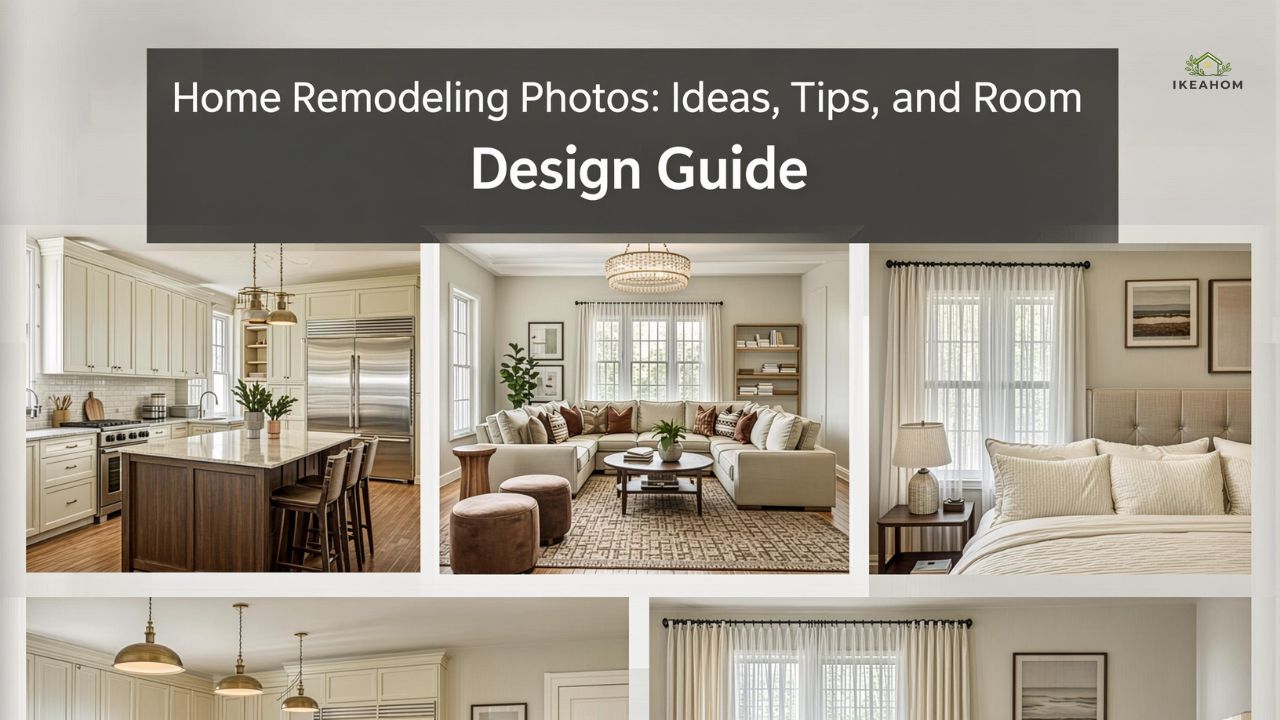
A great remodel usually starts with one simple moment: seeing a photo and thinking, “That could work in my home.” That is why home remodeling photos are so useful when you are planning a kitchen update, bathroom makeover, living room refresh, or full house renovation.
Photos help you see colors, layouts, materials, lighting, storage, and design details before spending money. They turn vague ideas into something clear. They also help you explain your taste to contractors, designers, family members, or anyone involved in the project.
Recent renovation research shows how serious home improvement planning has become. Houzz’s 2025 U.S. Houzz & Home Study surveyed 21,889 users, including 10,981 renovating U.S. homeowners, about 2024 renovations and 2025 plans. The National Association of REALTORS® also reported that Americans spent an estimated $603 billion on remodeling projects in 2024.
![Infographic: How to use remodeling photos — collect ideas, compare rooms, note materials, set budget, plan layout, talk to contractors]
Table of Contents
- Why Home Remodeling Photos Matter
- How to Read Remodeling Photos Like a Designer
- Best Rooms to Research Before Remodeling
- Before-and-After Photos: What to Notice
- Where to Find Remodeling Inspiration
- How to Organize Your Photo Ideas
- How to Use Photos With Contractors
- Common Mistakes When Copying Remodel Photos
- Budget and Planning Tips
- Personal and Financial Insight
- FAQs
- Conclusion
Why Home Remodeling Photos Matter
Photos make remodeling easier because they show real choices in real spaces. A written description can say “modern warm kitchen,” but a photo shows whether that means walnut cabinets, beige tile, brass lights, or creamy white walls.
The best home remodeling photos also reveal scale. You can see whether a large island overwhelms a room, whether dark cabinets need more lighting, or whether open shelving looks charming or cluttered.
For homeowners, this matters because remodeling can be emotional. It is exciting, but it can also feel stressful. Photos help reduce that stress by giving you a visual direction before you commit to demolition, materials, and labor.
What Photos Can Help You Decide
- Cabinet style
- Wall colors
- Flooring
- Lighting placement
- Bathroom tile
- Kitchen layout
- Storage solutions
- Door and window changes
- Furniture placement
- Backsplash design
- Exterior finishes
- Indoor-outdoor flow
How to Read Remodeling Photos Like a Designer
Most people look at a remodel photo and decide if they like it or not. Designers look deeper. They ask why the room works.
When reviewing home remodeling photos, slow down and study the details. Notice the ceiling height, window placement, cabinet depth, lighting, floor tone, wall color, and how materials connect.
Look at the Layout First
Before looking at decor, check the layout. Is the kitchen island placed for easy movement? Is the bathroom vanity too close to the shower? Does the living room have a natural conversation area?
A pretty room with a poor layout will still feel frustrating in real life.
Study the Light
Lighting can completely change a remodel photo. A white kitchen may look bright because it has large windows and professional lighting. In your home, the same color may look dull if the room is dark.
Look for:
- Natural light direction
- Recessed lighting
- Pendant lights
- Under-cabinet lighting
- Wall sconces
- Task lighting
- Shadow areas
Notice the Materials
A room can look expensive because of texture, not just cost. Wood grain, stone, tile, linen, metal, glass, and plaster all add depth.
Even a simple remodel can feel rich when materials are balanced well.
Best Rooms to Research Before Remodeling
Some rooms benefit more from visual planning because they involve expensive decisions.
Kitchen Remodeling Photos
Kitchen images are helpful because kitchens have many connected parts: cabinets, counters, backsplash, flooring, lighting, appliances, storage, hardware, and seating.
When studying kitchen remodel photos, ask:
- Is the layout practical?
- Where is the refrigerator?
- Is there enough prep space?
- Does the island block movement?
- Are upper cabinets needed?
- Is the backsplash too busy?
- Does the lighting support cooking?
Bathroom Remodeling Photos
Bathroom photos are useful because small choices make a big difference. Tile size, grout color, vanity style, mirror shape, lighting, and shower glass can change the whole mood.
Look closely at storage. Many bathrooms look beautiful in photos but have nowhere to keep towels, toiletries, cleaning supplies, or daily products.
Living Room Remodeling Photos
Living rooms need comfort. A photo should not only look stylish; it should feel livable.
Notice seating distance, rug size, TV placement, fireplace design, window treatments, and walking paths.
Bedroom Remodeling Photos
Bedroom photos are useful for color, lighting, storage, and mood. A peaceful bedroom usually has soft textures, balanced lighting, and fewer visual distractions.
Exterior Remodeling Photos
Exterior photos help with curb appeal. Compare siding, trim, roofing, paint colors, front doors, porch designs, windows, lighting, and landscaping.
Before-and-After Photos: What to Notice
Before-and-after remodeling photos are powerful because they show transformation. They prove that an awkward room can become useful, warm, and beautiful.
That said, do not only admire the “after” image. The “before” photo teaches you what problem was solved.
Check What Changed Structurally
Ask whether the remodel involved:
- Removing walls
- Moving plumbing
- Raising ceilings
- Changing windows
- Adding doors
- Reworking stairs
- Moving appliances
- Expanding square footage
These changes can raise cost quickly.
Compare the Same Angle
The most honest before-and-after photos are taken from the same angle. This helps you see what really changed.
If the angle is completely different, the transformation may look more dramatic than it is.
Notice the Budget Clues
A remodel with custom cabinetry, stone slabs, new windows, and layout changes likely cost much more than paint, lighting, and furniture updates.
Photos are inspiring, but they should be read with budget awareness.
Where to Find Remodeling Inspiration
There are many places to find ideas, but not all inspiration is useful.
Design Websites
Houzz, design magazines, remodeling blogs, and contractor portfolios are good places to find real projects. Houzz also has large home design photo collections where homeowners can browse by room, style, and project type.
Contractor Portfolios
Local contractor photos are especially useful because they show what is being built in homes near you. They may also reflect local materials, architecture, weather, and permit realities.
Social Media
Pinterest, Instagram, TikTok, and YouTube can give quick ideas. The downside is that some spaces are heavily staged or filtered.
Real Estate Listings
Sold home listings can show practical remodels in real homes. These are often less polished than design magazines, but very useful.
Showrooms
Tile, cabinet, flooring, and lighting showrooms help you connect photos with real materials.
How to Organize Your Photo Ideas
Saving hundreds of random images can become confusing. Organization makes inspiration useful.
Create Room-Based Folders
Make separate folders for:
- Kitchen
- Bathroom
- Living room
- Bedroom
- Exterior
- Laundry room
- Basement
- Entryway
- Outdoor spaces
Add Notes to Each Photo
Write what you like. Is it the color, cabinet style, layout, lighting, or mood?
For example:
“Like the warm wood cabinets, but not the black countertop.”
“Good bathroom storage idea.”
“Nice tile shape, but color is too dark.”
Separate Dream Photos from Realistic Photos
Some images are for inspiration only. Others may actually fit your budget and layout.
Both are useful, but they should not be mixed together without context.
Make a Shortlist
Before meeting a contractor or designer, narrow your folder to 10–20 strong examples. Too many photos can make your vision unclear.
How to Use Photos With Contractors
Contractors appreciate clear visuals. Saying “I want a modern bathroom” can mean many things. Showing three bathroom photos with specific notes is much clearer.
Use Photos to Explain Style
Show images that match your taste:
- Warm modern
- Farmhouse
- Transitional
- Minimalist
- Cottage
- Rustic
- Traditional
- Coastal
- Industrial
Use Photos to Discuss Scope
Photos can help a contractor explain what is easy, difficult, or expensive.
For example, a kitchen photo may include:
- Custom cabinets
- Hidden appliances
- New lighting
- Structural wall removal
- Stone backsplash
- Built-in pantry
- New flooring
Each item affects cost.
Ask What Is Realistic
A good contractor should be able to say, “This look is possible, but we can simplify it,” or “This requires moving plumbing,” or “This material has a lower-cost alternative.”
This is where home remodeling photos become practical planning tools instead of just pretty pictures.
Common Mistakes When Copying Remodel Photos
Inspiration is helpful, but copying a photo exactly can create problems.
Ignoring Your Home’s Architecture
A sleek modern kitchen may look strange inside a traditional home if nothing else connects. The best remodel respects the house.
Forgetting Room Size
A photo may show a large kitchen with ten-foot ceilings. If your kitchen is small, the same island, lighting, or dark cabinet color may not work.
Copying Colors Without Testing
Paint colors shift with light. Always test samples in your own room.
Overlooking Maintenance
A marble bathroom, white sofa, or open shelving kitchen may look beautiful but require more care than you want.
Not Asking About Cost
Some photos hide expensive work. A simple-looking room may include custom millwork, new windows, structural changes, or designer materials.
Choosing Trends Over Daily Life
Trends fade. Your routine stays. Design for how you cook, clean, relax, work, host, and live.
Budget and Planning Tips
Home remodeling photos can help you budget better when you know what to look for.
Sort Ideas by Cost Level
| Photo Feature | Likely Budget Impact |
|---|---|
| Paint and decor | Lower |
| New lighting fixtures | Lower to medium |
| Cabinet hardware | Lower |
| New tile backsplash | Medium |
| Flooring replacement | Medium |
| Cabinet replacement | High |
| Bathroom tile and plumbing | High |
| Wall removal | High |
| Window changes | High |
| Home addition | Very high |
Use Photos to Build a Priority List
You may love every detail in a photo, but you do not need to buy every detail.
Choose the parts that matter most:
- Better storage
- More light
- Easier cleaning
- Open layout
- Better traffic flow
- Updated finishes
- More seating
- Safer bathroom
- Improved curb appeal
Keep a Contingency
Renovation budgets should include extra room for surprises. Older homes can hide wiring issues, plumbing problems, water damage, uneven floors, or framing concerns.
Avoid Decision Fatigue
Photos can help you decide faster. Choose your main style early, then select materials that support that style.
Photo Ideas by Remodeling Goal
Different goals need different kinds of images.
If You Want More Space
Look for open layouts, built-in storage, lighter colors, glass doors, and multi-purpose furniture.
If You Want a Warmer Home
Look for wood tones, soft lighting, warm white paint, textured rugs, natural stone, and layered fabrics.
If You Want a Modern Look
Look for clean cabinet lines, minimal hardware, large-format tile, simple lighting, and uncluttered surfaces.
If You Want Better Resale Appeal
Look for neutral finishes, durable flooring, updated bathrooms, fresh kitchens, curb appeal, and timeless lighting.
NAR’s remodeling research focuses on both homeowner satisfaction and potential value outcomes, which is a helpful reminder that remodels should support both daily enjoyment and future market appeal.
If You Want a Family-Friendly Home
Look for mudrooms, washable surfaces, storage benches, durable counters, kid-friendly bathrooms, and open gathering spaces.
How to Take Better Home Remodeling Photos
If you are a homeowner, contractor, designer, or blogger, your own photos matter too.
Good home remodeling photos can document progress, support insurance records, help with resale, and show the value of the work.
Take Photos Before Work Starts
Capture every room from multiple angles. Include floors, ceilings, walls, windows, plumbing areas, electrical panels, and exterior views.
Take Progress Photos
Progress photos help you remember what is behind walls and floors. They can also help solve disputes if something goes wrong.
Use Natural Light
Take photos during the day when possible. Open curtains and turn on lights.
Keep Angles Consistent
For before-and-after shots, stand in the same place and use the same direction.
Clean the Space
Before final photos, remove tools, cords, boxes, trash, and personal clutter.
Capture Details
Take close-ups of tile, hardware, lighting, storage, trim, and craftsmanship.
How Remodeling Photos Help With Resale
Photos can support resale because buyers often make early decisions online. A bright, clear, well-composed photo can make a room feel more inviting before anyone steps inside.
This does not mean every remodel should be designed only for resale. Your comfort matters too. But if you plan to sell soon, photos can help you see the home through a buyer’s eyes.
Strong Photo-Friendly Updates
- Fresh paint
- Updated lighting
- Clean flooring
- Modern cabinet hardware
- Decluttered counters
- Better landscaping
- Clean bathrooms
- Fresh exterior paint
- Organized storage
- Simple window treatments
Floor Covering Weekly’s summary of NAR’s 2025 Remodeling Impact Report notes that REALTORS® often recommend interior painting, single-room painting, and roofing before listing, while kitchen upgrades and bathroom renovations were among projects with increased demand.
Personal and Financial Insight
This topic is not about a public person, so personal background and net worth do not apply directly. Still, there is a personal finance lesson hidden inside every remodel photo.
A photo can make a project feel simple. In real life, that same project may involve design fees, permits, demolition, plumbing, electrical work, materials, labor, inspections, and cleanup.
The smart approach is to use images as a guide, not a promise. Save what you love, then ask what it would take to create a similar feeling within your budget.
Sometimes the most powerful change is not the most expensive one. Better lighting, new paint, cleaner storage, updated hardware, and thoughtful styling can make a room feel dramatically better without a full gut remodel.
FAQs
Why are home remodeling photos useful?
They help you see design choices before spending money. They also make it easier to explain style, layout, colors, and materials to contractors or designers.
Where can I find good remodeling photos?
You can find them on design websites, contractor portfolios, home magazines, real estate listings, social media, and showroom galleries.
Should I copy a remodel photo exactly?
Usually, no. Use it as inspiration, then adapt the idea to your home’s size, light, architecture, and budget.
What should I look for in before-and-after photos?
Look for layout changes, lighting improvements, storage, materials, structural work, and whether the photo angle is the same.
How many photos should I show a contractor?
A shortlist of 10–20 clear images is usually enough. Add notes explaining what you like and dislike.
Can remodeling photos help with budgeting?
Yes. Photos help identify expensive details like custom cabinets, stone slabs, wall removal, new windows, and major plumbing changes.
How do I organize remodeling inspiration?
Create folders by room, add notes, separate dream ideas from realistic options, and narrow your favorites before meeting a professional.
What makes a good before-and-after remodel photo?
A good comparison uses the same angle, similar lighting, clear framing, and enough context to show what changed.
Are home remodeling photos good for resale planning?
Yes. They help you see which updates improve visual appeal, online listing quality, and buyer interest.
Conclusion
Home remodeling photos are more than pretty inspiration. They are planning tools, budget clues, design references, and communication helpers.
Use them slowly and thoughtfully. Study the layout, light, materials, storage, and cost clues behind each image. When you do that, your remodel becomes easier to explain, easier to plan, and much more likely to feel right when the work is done.