Introduction
There’s something deeply comforting about wide open spaces, wooden textures, and homes that feel connected to nature. That’s exactly what draws people toward a barn house—a style that blends rustic charm with modern living in a way few designs can.
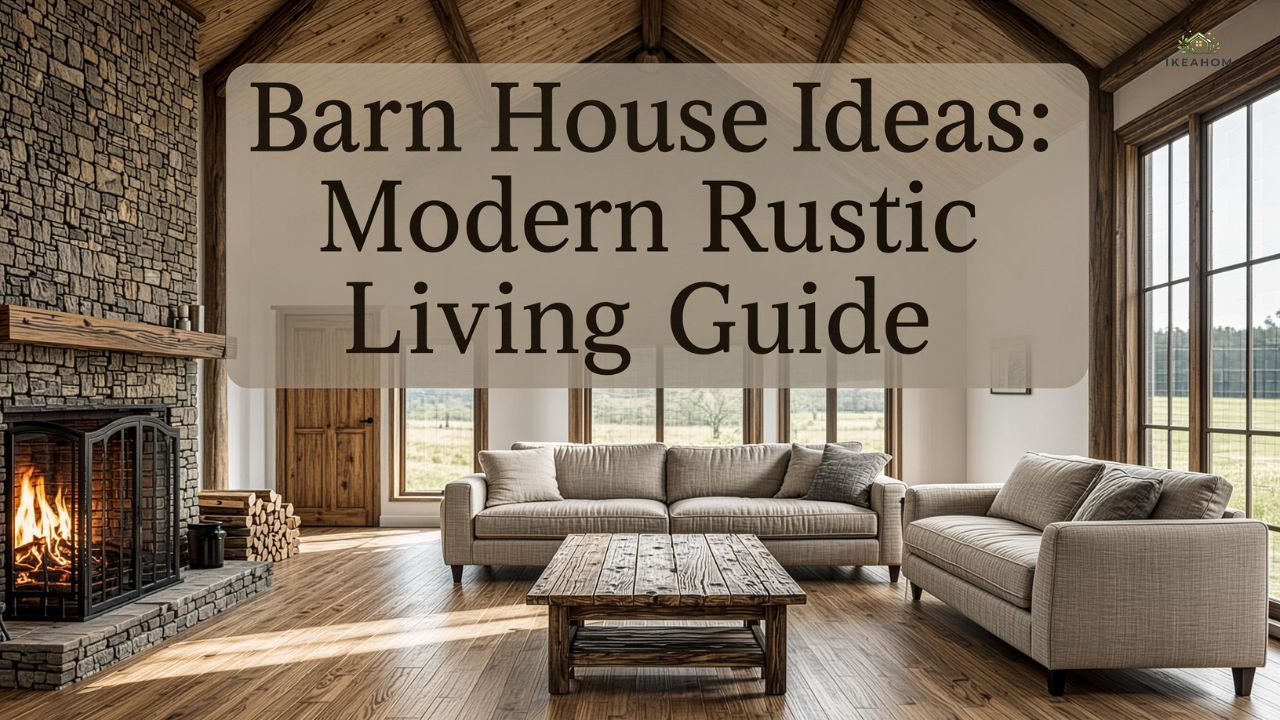
At first, it might seem like just an old agricultural structure turned into a home. But once you step inside a well-designed barn-style space, everything changes. High ceilings, exposed beams, natural light—it all comes together in a way that feels both simple and luxurious.
And the best part? This style isn’t limited to countryside farms anymore. People are building and adapting barn-inspired homes in suburban and even urban settings.

Table of Contents
What Is a Barn House
History and Evolution of Barn Houses
Types of Barn House Designs
Exterior Design Ideas
Interior Design and Layout
Materials and Construction Options
Cost and Budget Planning
Personal Story and Real-Life Insight
Benefits of Living in a Barn House
Common Mistakes to Avoid
FAQs
Conclusion
What Is a Barn House
Definition
A barn house is a residential home inspired by traditional agricultural barns. It often features:
- Open floor plans
- High ceilings
- Exposed wooden beams
- Large doors or windows
Originally, barns were built for storage and livestock. Today, they are reimagined as stylish living spaces.
Why People Love It
There’s a reason this style keeps growing in popularity.
It offers:
- A blend of rustic and modern aesthetics
- Spacious interiors
- Strong connection with nature
History and Evolution of Barn Houses

Traditional Barn Structures
In the past, barns were purely functional. Built with local materials, they focused on durability rather than beauty.
Common features included:
- Timber frames
- Simple rectangular shapes
- Large entry doors
Modern Transformation
Over time, architects began adapting these structures into homes.
Now, a barn house combines:
- Traditional design elements
- Modern architecture
- Energy-efficient features
That shift changed everything. What was once purely practical is now aspirational.
Types of Barn House Designs

Barn Conversions
These involve transforming existing barns into homes.
Pros:
- Unique character
- Sustainable reuse
Cons:
- Structural limitations
Modern Barn Builds
Built from scratch with barn-inspired design.
Features:
- Clean lines
- Contemporary finishes
- Open interiors
Hybrid Farmhouse Style
This mixes farmhouse charm with barn elements.
Expect:
- Cozy interiors
- Classic decor
- Functional layouts
Exterior Design Ideas
Materials and Finishes
The exterior defines the first impression.
Popular choices include:
- Natural wood siding
- Metal panels
- Stone accents
Roof Styles
Roof design is key in a barn house.
Common options:
- Gable roofs
- Gambrel roofs
- Flat modern roofs
Outdoor Integration
A barn-style home should blend with its surroundings.
Ideas:
- Wrap-around porches
- Gravel pathways
- Natural landscaping

Interior Design and Layout
Open Floor Plans
One of the biggest advantages is space.
- Fewer walls
- Flexible layouts
- Better light flow
Key Interior Features
A well-designed barn house often includes:
- Exposed beams
- Loft areas
- Large windows
Style Combinations
You don’t have to stick to one theme.
Mix:
- Industrial elements (metal, concrete)
- Scandinavian simplicity
- Rustic textures
Materials and Construction Options

Timber Frame vs Steel Frame
| Type | Benefits | Drawbacks |
|---|---|---|
| Timber Frame | Warm, traditional feel | Requires maintenance |
| Steel Frame | Strong, durable | Less rustic appeal |
Sustainable Materials
Many modern builds focus on eco-friendly choices:
- Reclaimed wood
- Solar panels
- Insulated panels
This not only reduces cost long-term but also supports sustainability.
Cost and Budget Planning
Average Costs
Building or converting a barn house can vary widely.
- Basic build: $80–$150 per sq ft
- Mid-range: $150–$250 per sq ft
- High-end: $250+ per sq ft
Cost Factors
Key elements that affect price:
- Size of the structure
- Materials used
- Location
- Custom features
Budget Tips
- Start with a simple layout
- Use local materials
- Plan for long-term maintenance
Personal Story and Real-Life Insight
A couple I once met had always dreamed of living outside the city. They found an old, unused barn—falling apart, honestly.
Instead of tearing it down, they rebuilt it into a modern barn house.
At first, it wasn’t easy:
- Structural repairs were costly
- Planning took time
But the result?
A warm, open home filled with natural light and character. It wasn’t just a house—it reflected their personality.
That’s what makes this style special. It tells a story.
Benefits of Living in a Barn House
Spacious Living
High ceilings and open layouts create freedom.
Natural Light
Large windows bring in sunlight, improving mood and energy.
Unique Aesthetic
No two barn homes feel exactly the same.
Connection to Nature
These homes often sit in peaceful environments, offering calm and privacy.
Common Mistakes to Avoid
Ignoring Insulation
Barn-style spaces can lose heat easily if not insulated properly.
Overloading Rustic Elements
Too much wood or decor can feel heavy. Balance is key.
Poor Space Planning
Open layouts need thoughtful design to stay functional.
FAQs
What is a barn house?
It is a home inspired by traditional barns, featuring open layouts and rustic-modern design.
Are barn houses expensive?
Costs vary but can range from moderate to high depending on design and materials.
Can I convert an old barn into a house?
Yes, many people renovate barns into livable spaces with proper planning.
Are barn houses energy efficient?
Modern designs can be very efficient with proper insulation and materials.
What materials are used?
Common materials include wood, steel, stone, and glass.
Is a barn house suitable for urban areas?
Yes, modern designs can adapt to suburban or urban settings.
How long does it take to build?
Typically 4–12 months depending on complexity.
Do barn houses require special permits?
Yes, local building regulations usually apply.
Conclusion
A barn house is more than just a design trend—it’s a way of living that blends simplicity, space, and character. It brings together the past and present in a way that feels grounded yet modern.
Whether you’re drawn to its rustic charm or its open, airy layouts, one thing is clear: this style isn’t going away anytime soon. And if done right, it can become one of the most rewarding spaces you’ll ever live in.