Introduction
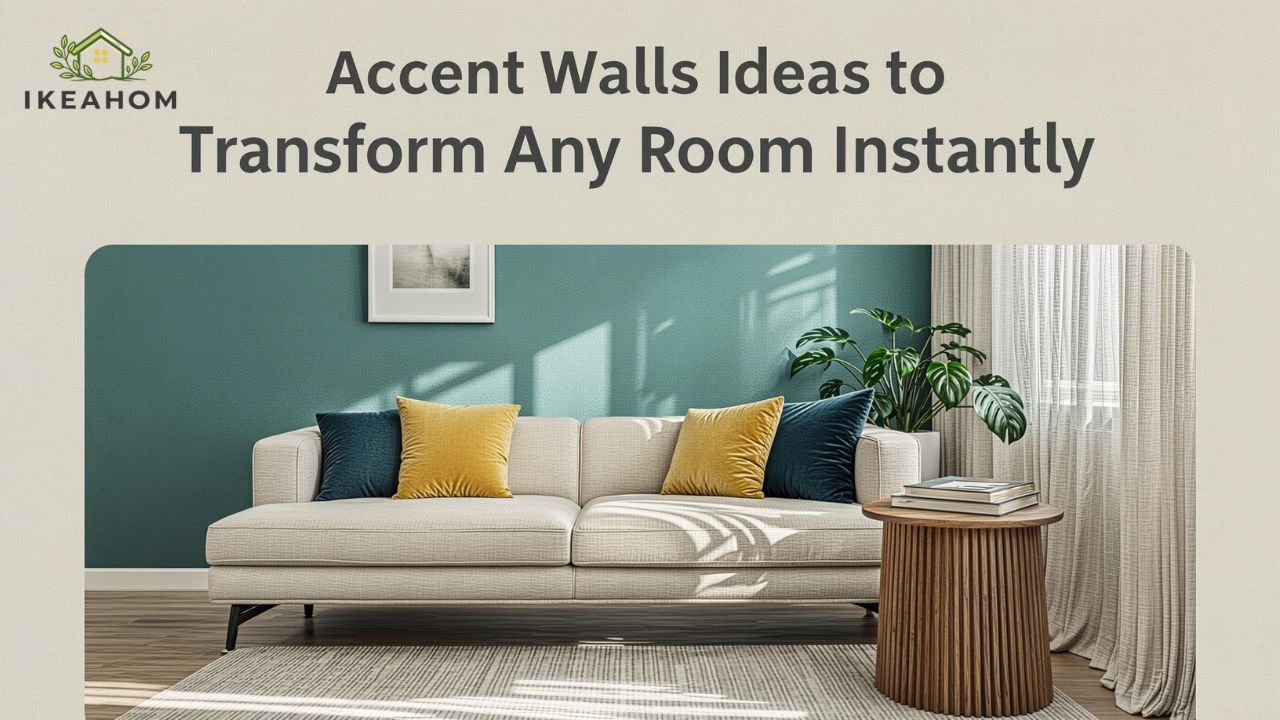
There’s something oddly powerful about a single wall. Change it, and suddenly the whole room feels different. That’s exactly why accent walls have become one of the most popular interior design trends in recent years.
Whether you’re dealing with a boring living room or a bedroom that feels a little too plain, adding an accent wall can instantly shift the mood. It’s one of those rare design tricks that delivers maximum impact without requiring a full renovation.
The beauty of it? You don’t need to be an expert or spend a fortune. With the right ideas, materials, and a bit of inspiration, you can completely redefine your space in just a weekend.

Table of Contents
What Are Accent Walls?
Why Accent Walls Matter in Interior Design
Popular Types of Accent Walls
Best Rooms for Accent Walls
Color Psychology & Accent Walls
DIY Accent Walls: Step-by-Step Guide
Budget-Friendly Accent Wall Ideas
Common Mistakes to Avoid
Personal Background & Design Insights
FAQ
Conclusion
What Are Accent Walls?
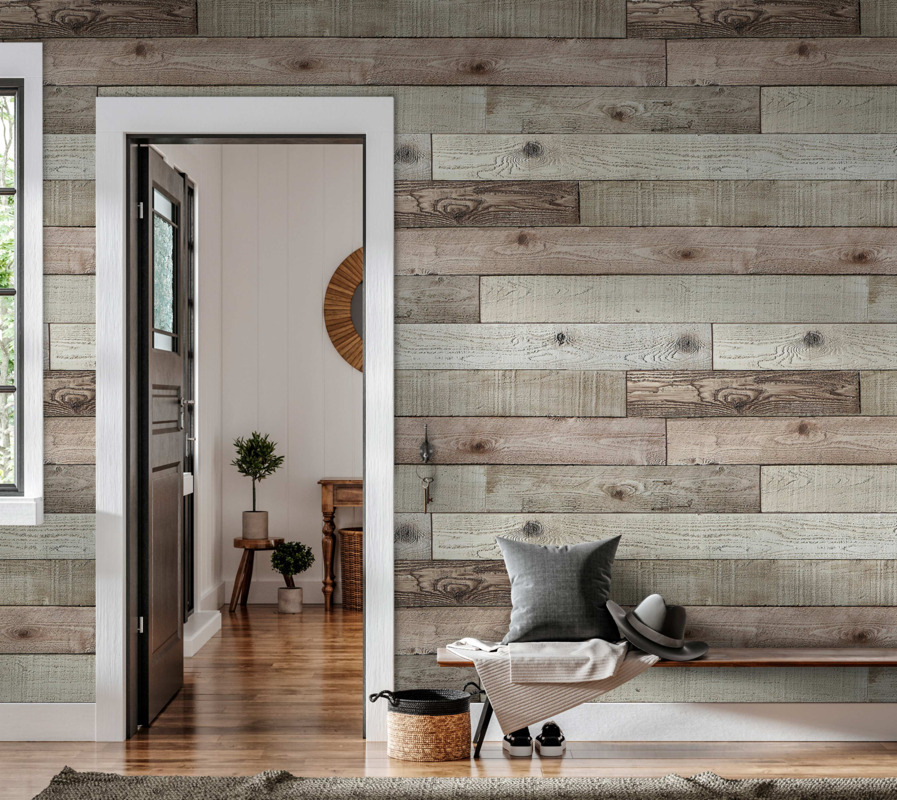
At its core, an accent wall is a single wall in a room designed to stand out from the others. It might feature a different color, texture, material, or pattern.
Simple Definition
An accent wall is a focal point created by making one wall visually distinct from the rest of the space.
Why It Works
Humans are naturally drawn to contrast. When one wall looks different, your eyes gravitate toward it. That creates depth, visual interest, and a sense of intentional design.
Why Accent Walls Matter in Interior Design
In reality, not every room needs a complete makeover. Sometimes, all it takes is one strategic change.
Key Benefits
- Adds depth to flat spaces
- Creates a focal point
- Enhances room personality
- Budget-friendly transformation
- Easy to update or change
Real-Life Insight
I once worked with a homeowner who felt her living room was “lifeless.” Instead of replacing furniture, we added a deep navy accent wall behind the sofa. The result? The room instantly felt sophisticated and inviting.
Design Impact Table
| Feature | Without Accent Wall | With Accent Wall |
|---|---|---|
| Visual Interest | Low | High |
| Depth Perception | Flat | Layered |
| Style Appeal | Basic | Dynamic |
Popular Types of Accent Walls
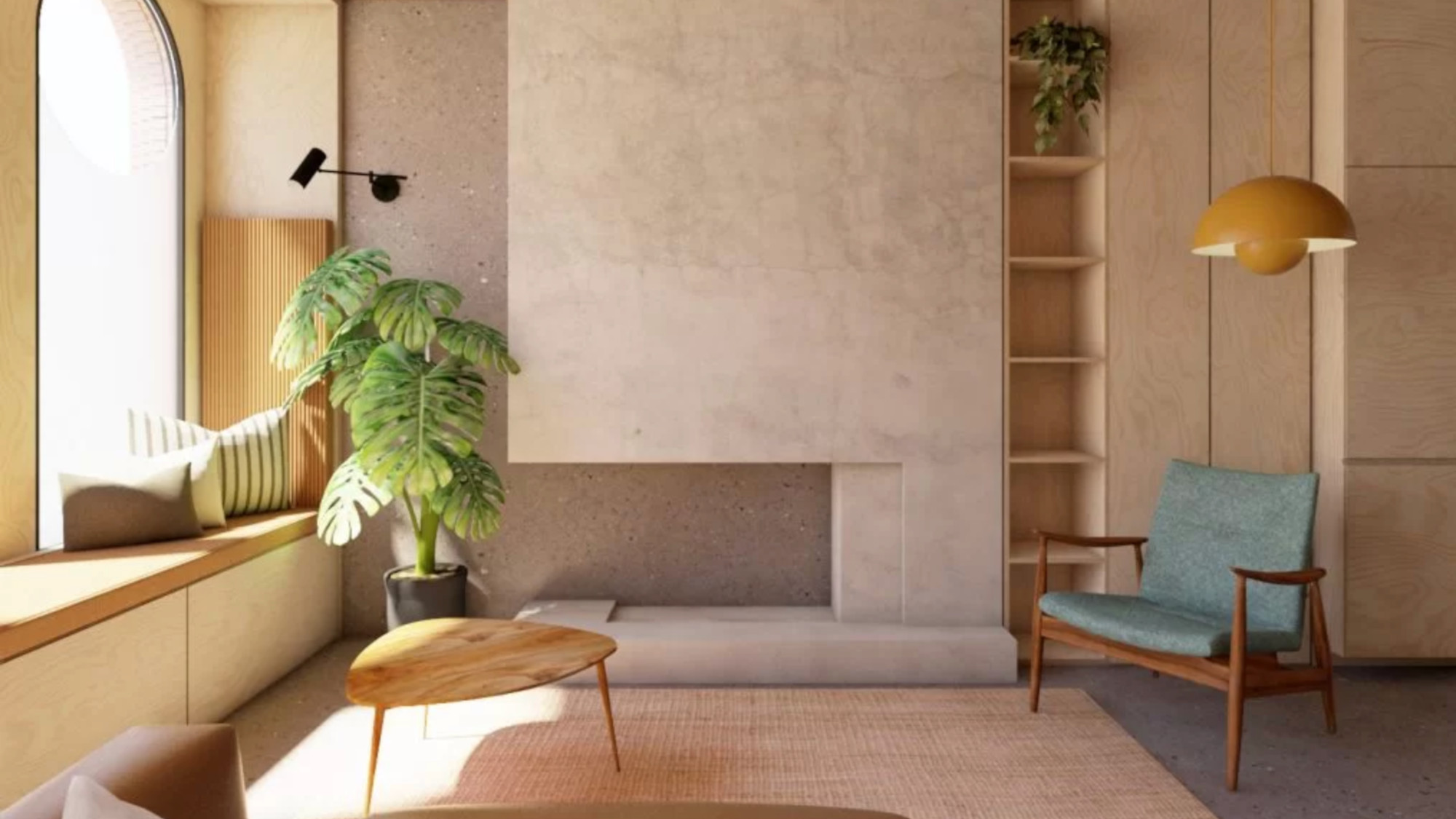
There’s no one-size-fits-all approach. The best accent walls reflect your personality and the room’s purpose.
Painted Accent Walls
The simplest and most common option. Choose bold or contrasting colors.
Wallpaper Accent Walls
Perfect for patterns—floral, geometric, or abstract.
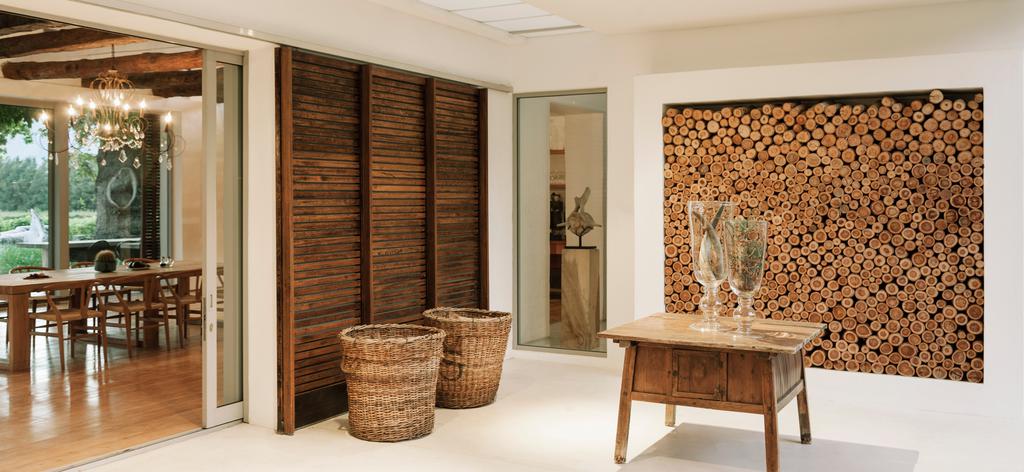
Wood Panel Accent Walls
Adds warmth and texture. Ideal for rustic or modern styles.
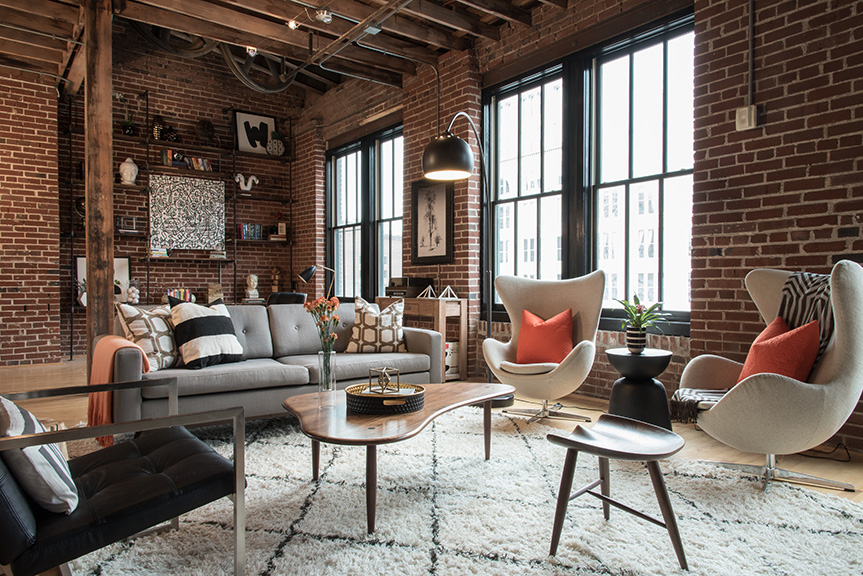
Stone or Brick Walls
Creates a natural, luxurious feel.
Infographic: Choosing the Right Accent Wall Style
Best Rooms for Accent Walls
Not every wall deserves attention. Placement matters more than most people realize.
Living Room
- Behind the sofa
- TV wall
- Fireplace wall
Bedroom
- Behind the bed (most common)
- Opposite wall for visual balance
Bathroom
- Behind vanity
- Shower wall
Home Office
- Background wall for video calls
Pro Tip
Choose the wall your eyes naturally land on when entering the room.
Color Psychology & Accent Walls
Color isn’t just visual—it’s emotional.
Popular Color Choices & Meanings
- Blue → Calm, relaxing
- Green → Natural, refreshing
- Black → Bold, dramatic
- Yellow → Energetic, cheerful
- Grey → Modern, neutral
How to Pick the Right Color
Consider:
- Room size
- Lighting conditions
- Existing furniture
Reality Check
Dark colors can shrink a room visually—but they also add depth and coziness.
DIY Accent Walls: Step-by-Step Guide
Creating your own accent walls is easier than you might think.
Step-by-Step Process
- Choose your wall
- Pick your design or color
- Prepare the surface
- Tape edges carefully
- Apply paint or material
- Let it dry and refine
Tools You’ll Need
- Paint rollers
- Brushes
- Painter’s tape
- Level
- Measuring tape
Honest Advice
Take your time with prep work. Most DIY mistakes happen before painting even begins.
Budget-Friendly Accent Wall Ideas
You don’t need a huge budget to create stunning accent walls.
Affordable Options
- Peel-and-stick wallpaper
- Paint with geometric patterns
- Fabric wall panels
- DIY wood slats
Cost Comparison Table
| Idea | Cost Range | Difficulty |
|---|---|---|
| Paint | Low | Easy |
| Wallpaper | Medium | Medium |
| Wood Panels | Medium | Hard |
| Stone Finish | High | Hard |
Practical Tip
Start small. Even a $50 upgrade can make a noticeable difference.
Common Mistakes to Avoid
Even great ideas can go wrong without proper planning.
Avoid These Mistakes
- Choosing the wrong wall
- Overly bright or clashing colors
- Ignoring lighting
- Over-decorating the accent wall
- Not testing paint samples

Real Talk
Sometimes less is more. An overdone accent wall can feel overwhelming instead of stylish.
Personal Background & Design Insights
Interior design has evolved dramatically over the years. What started as traditional, uniform rooms has shifted toward personalization and expression.
Industry Evolution
- Early 2000s: Matching everything
- 2010s: Minimalism
- 2020s: Statement features like accent walls
Professional Insight
Designers often use accent walls as a “low-risk, high-impact” solution. It’s one of the easiest ways to experiment with bold ideas.
Financial Perspective
- Average cost: $50–$500
- ROI: High visual impact for low investment
- Helps improve property appeal
Key Thought
Good design isn’t about spending more—it’s about choosing wisely.
FAQ
What are accent walls used for?
Accent walls are used to create a focal point and add visual interest to a room.
Are accent walls still trendy?
Yes, they remain popular, especially with modern textures and bold designs.
Which wall should be an accent wall?
Choose the wall that naturally draws attention when you enter the room.
Can I use dark colors for accent walls?
Absolutely. Dark colors add depth and drama when used correctly.
Are accent walls good for small rooms?
Yes, they can make small spaces feel more dynamic and visually appealing.
What materials can I use?
Paint, wallpaper, wood panels, stone, and even fabric.
How much does an accent wall cost?
It can range from $50 for DIY paint to several hundred dollars for premium materials.
Can I have more than one accent wall?
You can, but it’s best to limit it to maintain balance.
Conclusion
At the end of the day, accent walls are one of the simplest yet most powerful ways to transform your space. They allow you to experiment, express your style, and create a room that feels truly yours.
Whether you go bold with color, subtle with texture, or creative with patterns, the key is to stay intentional. Design isn’t about perfection—it’s about how a space makes you feel.
And sometimes, all it takes is one wall to change everything.